
SCHEDULE A CONSULTATION TODAY!  (404) 692-5355

Simply HR Inc | Understanding FMLA Compliance for Employers: Key Eligibility, Notice, and Documentation Requirements

Call us

404-692-5355

Email

info@SimplyHRInc.com

Updated Header Button

Get in touch

Get in touch

Simply HR Inc | Understanding FMLA Compliance for Employers: Key Eligibility, Notice, and Documentation Requirements

By Tonia Morris, Simply HR Inc

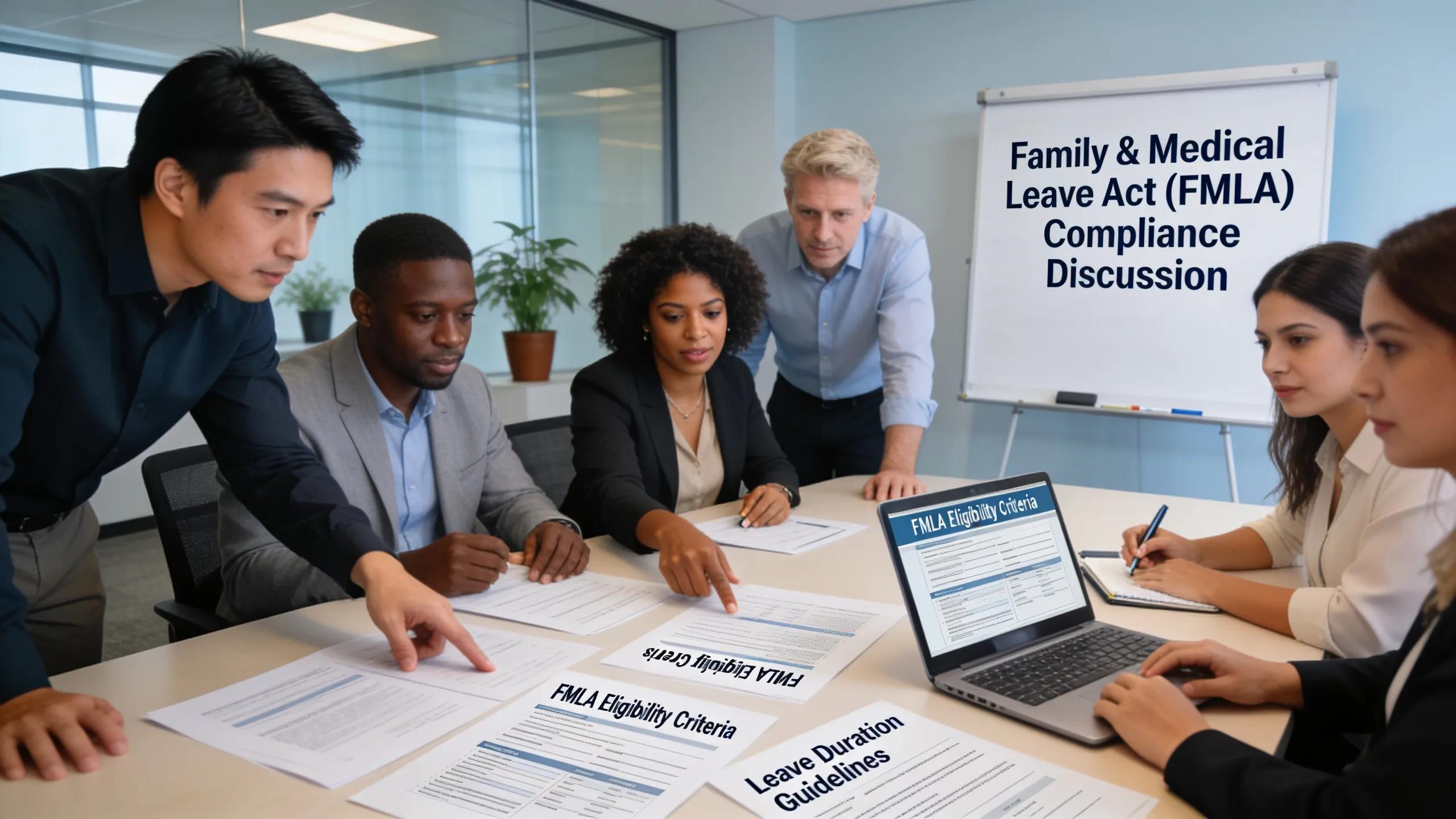
The Family and Medical Leave Act (FMLA) is a critical piece of legislation that allows employees to take leave for specific family and medical reasons while ensuring job protection. Understanding FMLA compliance is vital for employers to navigate their obligations effectively and avoid legal pitfalls. This guide will explore the key eligibility criteria, notice requirements, and documentation necessary for FMLA compliance. Many employers struggle with the complexity of these regulations, which can lead to costly mistakes. By ensuring adherence to FMLA guidelines, employers can provide necessary support to their employees while maintaining organizational integrity. This article will cover essential topics, including employee eligibility, employer responsibilities, the process of managing return-to-work situations, and common compliance challenges.

What Are the Family Medical Leave Eligibility Requirements for Employees?

The FMLA establishes specific eligibility requirements for employees seeking leave. Understanding these criteria is essential to ensure both employees and employers can navigate the complexities of family and medical leave.

Which Employees Qualify for FMLA Leave?

To qualify for FMLA leave, employees must meet several criteria. Primarily, they must have worked for their employer for at least 12 months, logged a minimum of 1,250 hours of service during the past 12 months, and worked at a location where the company employs 50 or more employees within a 75-mile radius. These requirements ensure that the FMLA provides support to employees who have demonstrated commitment to their organization while balancing family and medical responsibilities.

What Covered Reasons Qualify under the FMLA?

FMLA leave can be taken for several covered reasons, which include the birth of a child, placement of a child for adoption or foster care, serious health conditions affecting the employee or their family members, and circumstances arising from the military service of a family member. These qualifications are crucial as they define the permissible grounds for leave, allowing employees to balance their work and familial obligations without fear of losing their jobs.

What Are Employer Responsibilities and Notice Requirements Under FMLA?
Simply HR Inc | Understanding FMLA Compliance for Employers: Key Eligibility, Notice, and Documentation Requirements

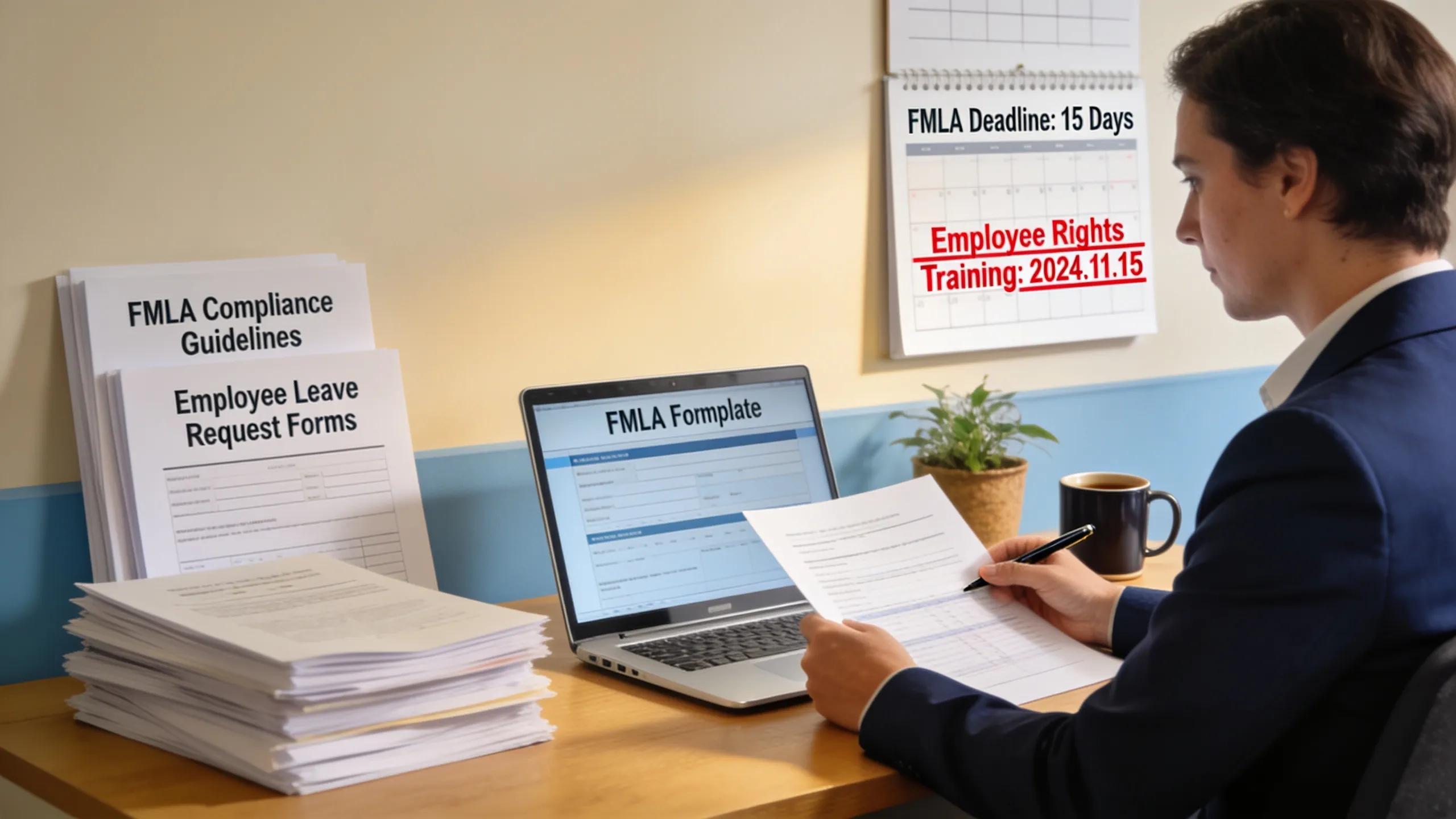
Employers have distinct responsibilities under the FMLA, including providing appropriate notices to employees regarding their rights and procedures related to taking leave. Comprehending these requirements is essential for legal compliance and fostering a supportive workplace environment.

When Must Employers Provide FMLA Notice to Employees?

Employers are required to provide specific notices to their employees regarding FMLA rights. This includes posting a general notice about FMLA rights in the workplace and informing employees of their rights when they request leave. Notifications must be presented in an accessible format and be given at the outset of eligibility, ensuring employees are aware of their rights and the steps to take should they need to request leave.

It is crucial for employers to understand that proper notification of FMLA leave is a significant factor in compliance, often leading to complex legal interpretation and debates.

FMLA Employer Notice Requirements and Compliance

This Article argues that Department of Labor regulations should continue to require employers to make a pre-leave designation of whether FMLA leave will run concurrently with, or consecutive to, the employer’s leave and give notice to their employees, but that the penalty for an employer’s noncompliance should be modified to comply with the Supreme Court’s decision in Ragsdale v. Wolverine World Wide, Inc.

Employer Notice Requirements Under the Family and Medical Leave Act, R Bales, 2002

What Documentation Must Employers Maintain for FMLA Compliance?

Employers must maintain detailed documentation to comply with FMLA regulations. This includes keeping records of leave requests, certifications provided by healthcare providers, and any correspondence related to the employee’s leave status. Proper documentation not only helps maintain compliance but also provides a record that can be essential in case of disputes regarding leave entitlements.

How Should Employers Manage Return to Work and Job Restoration after FMLA Leave?

Simply HR Inc | Understanding FMLA Compliance for Employers: Key Eligibility, Notice, and Documentation Requirements

Navigating the return-to-work process after FMLA leave involves clear communication and adherence to legal obligations. Employers must ensure a smooth transition for employees returning from leave while maintaining compliance with FMLA regulations.

What Are the Employer's Obligations for Job Restoration Post-FMLA?

Under the FMLA, employers are obligated to restore employees to their original position or an equivalent role upon their return from leave. This reinstatement must occur unless there are legitimate reasons for not doing so, such as layoffs or if the employee would have lost their job regardless of taking leave. Understanding these obligations helps employers manage expectations and support employees’ successful reintegration into the workforce.

How Do Return to Work Policies Interact with FMLA Compliance?

Employers should develop return-to-work policies that are in line with FMLA requirements. Effective return-to-work programs consider employee health and wellness while also ensuring that job restoration policies comply with legal standards. Additionally, clear communication regarding any modifications to work duties or expectations can facilitate a supportive work environment as employees transition back.

Which Common FMLA Compliance Challenges Do Employers Face and How Can They Be Resolved?

Employers often encounter several challenges when navigating FMLA compliance. Recognizing these potential hurdles can help in developing effective strategies for resolution.

Complying with FMLA regulations presents ongoing challenges for both employers and employees, leading to ambiguity regarding rights and obligations.

FMLA Compliance Challenges for Employers and Employees

The Family and Medical Leave Act of 1993 (“FMLA” or “the Act”), an act that extends twelve weeks leave to employees for certain medical and family situations, seemed like a panacea for the everyday battles employees face in balancing work and family needs.’ At last, the Act’s supporters thought, an employee can take time off to care for a loved one, or have a child, and return to find his or her job intact. In the eight years since its enactment, how- ever, the FMLA finds employees and employers alike disillusioned, uncertain about rights and obligations, and still fighting to balance work and family needs by being forced to follow the FMLA’s complex procedures.FMLA notice requirements and the Chevron test: Maintaining a hard-fought balance, 2002

How Should Employers Handle Intermittent and Reduced Schedule Leave?

Managing intermittent and reduced schedule leave can be particularly challenging for employers. Effective strategies include establishing clear policies for request processes and communication channels. Employers should provide training for HR staff and management on handling these requests consistently and in accordance with FMLA regulations, ensuring fairness and compliance.

How Can Employers Integrate State Leave Laws with Federal FMLA Requirements?

In cases where state leave laws exist alongside the FMLA, employers must understand how these laws interact. Many states offer additional leave benefits that may exceed federal requirements. Conducting regular compliance audits can help employers align federal and state regulations successfully, ensuring that all legal obligations are met while providing comprehensive support to employees.

Simply HR Inc
Privacy Overview

This website uses cookies so that we can provide you with the best user experience possible. Cookie information is stored in your browser and performs functions such as recognising you when you return to our website and helping our team to understand which sections of the website you find most interesting and useful.