
SCHEDULE A CONSULTATION TODAY!  (404) 692-5355

Simply HR, Inc. logo featuring the text "SIMPLY HR" in blue, accompanied by "Catalyst For Culture Change" and a handshake graphic, emphasizing HR consulting and training services.

Call us

404-692-5355

Email

info@SimplyHRInc.com

Updated Header Button

Get in touch

Get in touch

Payroll Processing Best Practices: A Complete Guide for SMBs

Simply HR Inc | Payroll Processing Best Practices: A Complete Guide for SMBs

Payroll Processing Best Practices: A Complete Guide for SMBs to Manage Compliance and Efficiency

Effective payroll processing is crucial for small to mid-sized businesses (SMBs) to ensure compliance with regulations and maintain operational efficiency. This comprehensive guide will explore the best practices in payroll processing, focusing on essential compliance requirements, efficient payroll procedures, and the best software options available. Many SMBs struggle with payroll management due to complex regulations and the potential for costly errors. By implementing proven strategies, businesses can streamline their payroll processes, reduce errors, and enhance compliance. This article will cover essential payroll compliance requirements, efficient payroll procedures, software options, outsourcing considerations, common payroll errors, and how SimplyHR Inc. can enhance payroll success for SMBs.

What Are the Essential Payroll Compliance Requirements for SMBs?

Payroll compliance is a critical aspect of managing a business, ensuring that all employees are paid accurately and on time while adhering to federal, state, and local regulations. SMBs must navigate various compliance requirements, including tax withholdings, employee classifications, and reporting obligations. Understanding these requirements helps prevent legal issues and financial penalties.

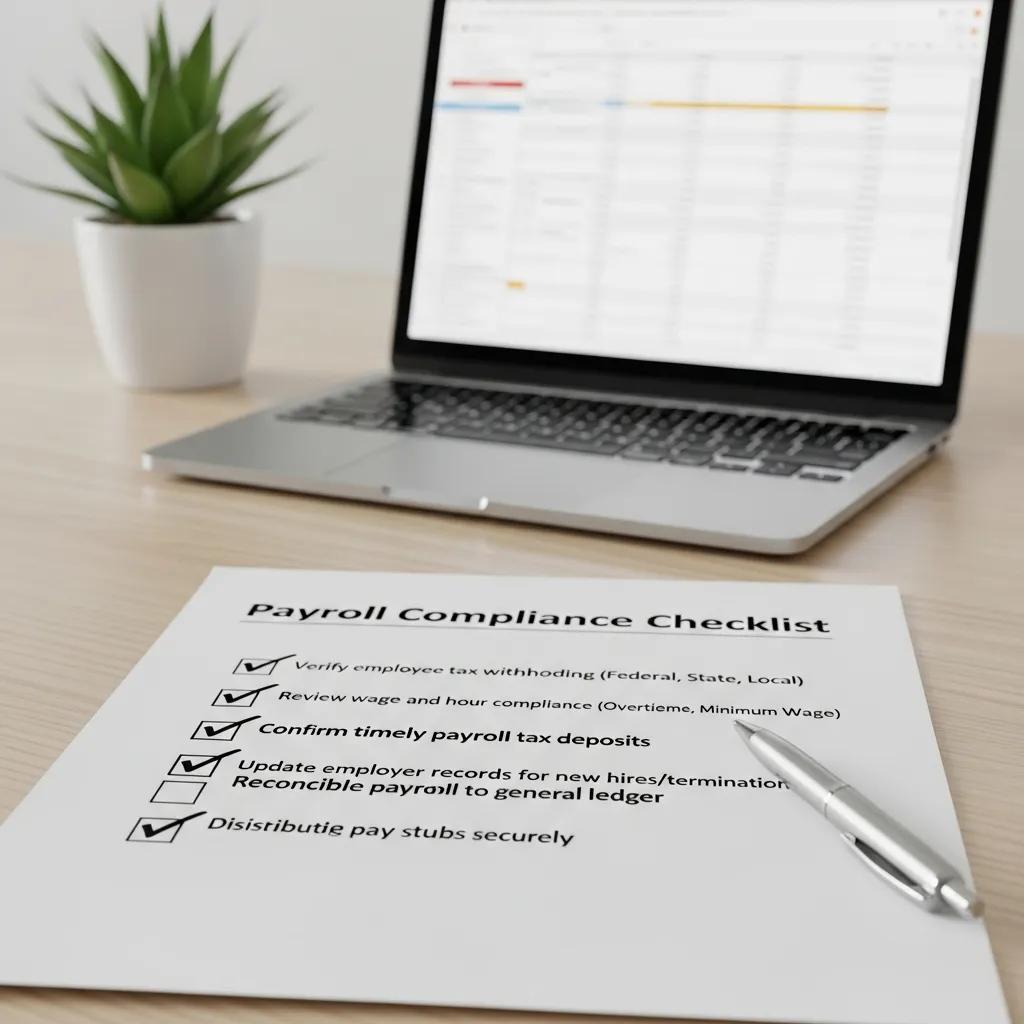
How to Use a Payroll Compliance Checklist to Avoid Common Mistakes
Simply HR Inc | Payroll Processing Best Practices: A Complete Guide for SMBs

A payroll compliance checklist is an invaluable tool for SMBs to ensure they meet all necessary requirements. To create an effective checklist, businesses should:

  1. Identify Key Compliance Areas: Focus on tax withholdings, employee classifications, and reporting deadlines.
  2. Establish Regular Review Processes: Schedule periodic reviews to ensure ongoing compliance.
  3. Train Staff on Compliance Procedures: Ensure that all employees involved in payroll understand their responsibilities.

Using a checklist helps avoid common mistakes, such as misclassifying employees or missing tax deadlines, which can lead to costly penalties.

Indeed, robust internal controls and a systematic review cadence are fundamental to effective payroll management, as highlighted by research on best practices for small businesses.

Internal Controls & Payroll Best Practices for Small Businesses

built around a lightweight process library covering cash receipts, purchasing, payroll, and maps, checklists, evidence folders, and review cadence can be implemented with basic

Internal Control Documentation for Small Businesses: Templates, Best Practices, and Adoption Guidance (10/18/2022), 2022

What Are the Latest Payroll Tax Regulations and Deadlines for SMBs?

Staying updated on payroll tax regulations is essential for SMBs. Recent changes may include adjustments to tax rates, new reporting requirements, and deadlines for filing. Key points to consider include:

  • Federal Tax Changes: Be aware of any updates to federal tax rates and regulations.
  • State-Specific Regulations: Each state may have unique payroll tax requirements that must be followed.
  • Filing Deadlines: Keep track of important deadlines to avoid late fees and penalties.

Failure to comply with these regulations can result in significant financial consequences for SMBs.

How to Run Payroll Efficiently: Step-by-Step Procedures for SMBs

Running payroll efficiently involves a series of well-defined steps that ensure accuracy and compliance. By following a structured approach, SMBs can minimize errors and streamline their payroll processes.

What Are the Key Payroll Process Steps Every SMB Should Follow?

To run payroll efficiently, SMBs should adhere to the following key steps:

  1. Collect Employee Data: Gather necessary information, including hours worked, salary rates, and deductions.
  2. Calculate Payroll: Use accurate formulas to compute gross pay, deductions, and net pay.
  3. Distribute Payments: Ensure timely payment through direct deposit or checks.
  4. Maintain Records: Keep detailed records of payroll transactions for compliance and auditing purposes.

Following these steps helps ensure that payroll is processed accurately and on time.

How Can Payroll Error Prevention Strategies Improve Accuracy?

Implementing payroll error prevention strategies is vital for maintaining accuracy. Some effective strategies include:

  • Regular Training: Provide ongoing training for payroll staff to keep them informed about best practices and regulatory changes.
  • Automated Systems: Utilize payroll software to automate calculations and reduce human error.
  • Double-Check Processes: Establish a system for reviewing payroll before finalizing to catch any discrepancies.

By focusing on error prevention, SMBs can enhance the accuracy of their payroll processes and reduce the risk of costly mistakes.

Which Payroll Software Options Are Best Suited for SMBs?

Choosing the right payroll software is essential for SMBs to manage their payroll processes effectively. Various options are available, each with unique features and benefits.

How to Compare Payroll Software Features for Small Business Needs

Simply HR Inc | Payroll Processing Best Practices: A Complete Guide for SMBs

When evaluating payroll software, consider the following features:

FeatureDescriptionImportance
User-Friendly InterfaceEasy navigation and setupHigh
Automated Tax CalculationsReduces manual errorsHigh
Reporting CapabilitiesGenerates necessary compliance reportsHigh
Integration with Other SystemsWorks seamlessly with accounting softwareMedium

Selecting software that meets these criteria can significantly enhance payroll efficiency and compliance.

What Are the Benefits of Payroll Automation for SMBs?

Payroll automation offers several advantages for SMBs, including:

  1. Time Savings: Automating payroll processes reduces the time spent on manual calculations and data entry.
  2. Increased Accuracy: Automated systems minimize human error, ensuring accurate payroll calculations.
  3. Enhanced Compliance: Payroll software can automatically update to reflect changes in tax regulations, helping businesses stay compliant.

The shift from manual to digital payroll systems is a significant development, with studies emphasizing the transformative benefits of automation and cloud-based solutions.

Digital Payroll Systems: Automation, Security & HR Integration

Payroll management is a very critical organization task, it ensures employees receive payments in a fast and accurate manner. Previously, payroll was manual and time consuming, prone to errors, and not easy to scale up especially in large organizations. Digital technologies have changed the payroll management, with automation and cloud-based payroll management functionalities to be regarded as advantages because of the decrease in human error, enhanced data security, real-time access to data, and the ability to integrate with the human resource (HR) and enterprise resource planning (ERP) systems without disruption.

A Survey of Adoption Challenges and Barriers in Implementing Digital Payroll Management Systems in Across Organizations, RR Kothamaram, 2021

By leveraging payroll automation, SMBs can streamline their operations and focus on core business activities.

Further research underscores the tangible impact of these automated systems, demonstrating their significant influence on payroll preparation efficiency for SMBs.

Automated Payroll Systems for SMB Efficiency

This study investigated the impact of automated accounting systems on payroll preparation among Small and Medium-sized Enterprises (SMEs). The findings revealed that automated accounting systems, specifically Square Payroll, QuickBooks, have a significant influence on payroll preparation.

Influence of Automated Accounting System on Payroll Preparation of Small and Medium Scale Enterprises in Rivers State, WA Amaewhule, 2024

When and Why Should SMBs Consider Outsourcing Payroll Services?

Outsourcing payroll services can be a strategic decision for SMBs looking to enhance efficiency and compliance. Understanding when to consider outsourcing is crucial for making informed decisions.

How Does Payroll Consulting Support Compliance and Efficiency?

Payroll consulting services can provide valuable support in several ways:

  • Expert Guidance: Consultants offer expertise in navigating complex payroll regulations and compliance requirements.
  • Customized Solutions: Tailored consulting services can address specific business needs and challenges.
  • Ongoing Support: Consultants can provide continuous support to ensure that payroll processes remain efficient and compliant.

Engaging with payroll consultants can help SMBs mitigate risks and improve overall payroll management.

What Are the Cost and Risk Benefits of Outsourcing Payroll?

Outsourcing payroll can lead to significant cost savings and risk mitigation for SMBs. Key benefits include:

  1. Reduced Labor Costs: Outsourcing eliminates the need for in-house payroll staff, reducing overhead expenses.
  2. Lower Risk of Compliance Issues: Professional payroll providers are well-versed in regulations, minimizing the risk of costly penalties.
  3. Access to Advanced Technology: Outsourcing partners often utilize the latest payroll technology, providing SMBs with enhanced capabilities without the need for significant investment.

By outsourcing payroll, SMBs can focus on their core business functions while ensuring compliance and efficiency.

What Are Common Payroll Errors and How Can SMBs Prevent Them?

Despite best efforts, payroll errors can still occur. Understanding common mistakes and implementing prevention strategies is essential for SMBs.

Which Employee Classification Mistakes Affect Payroll Compliance?

Misclassifying employees can lead to significant compliance issues. Common mistakes include:

  • Classifying Employees as Independent Contractors: This can result in unpaid payroll taxes and penalties.
  • Incorrectly Classifying Exempt vs. Non-Exempt Employees: Misclassification can lead to wage and hour violations.

To prevent these errors, SMBs should regularly review employee classifications and ensure compliance with labor laws.

How to Conduct Payroll Audits and Use Checklists Effectively

Conducting payroll audits is a proactive approach to identifying and correcting errors. To perform an effective audit:

  1. Establish a Regular Audit Schedule: Conduct audits quarterly or bi-annually to ensure ongoing compliance.
  2. Use Checklists: Develop checklists to guide the audit process and ensure all areas are reviewed.
  3. Document Findings: Keep detailed records of audit results and corrective actions taken.

Regular audits help maintain payroll accuracy and compliance, reducing the risk of errors.

How Does SimplyHR Inc. Enhance Payroll Success for SMBs?

SimplyHR Inc. specializes in providing tailored HR solutions for small to mid-sized businesses, including comprehensive payroll consulting services. By leveraging their expertise, SMBs can enhance their payroll processes and ensure compliance.

What Personalized Payroll Consulting Services Does SimplyHR Offer?

SimplyHR offers a range of personalized payroll consulting services designed to meet the unique needs of SMBs, including:

  • Compliance Audits: Thorough reviews of payroll processes to ensure adherence to regulations.
  • Training Programs: Customized training for staff on payroll best practices and compliance.
  • Ongoing Support: Continuous assistance to address payroll challenges as they arise.

These services empower SMBs to manage their payroll processes more effectively and confidently.

How Do Case Studies Demonstrate SimplyHR’s Impact on SMB Payroll?

Numerous case studies illustrate the positive impact of SimplyHR’s consulting services on SMB payroll management. For example, one client experienced a 30% reduction in payroll errors after implementing SimplyHR’s recommended practices. Another client reported improved compliance and efficiency, leading to significant cost savings.

By showcasing these success stories, SimplyHR demonstrates its commitment to enhancing payroll success for SMBs through tailored solutions and expert guidance.

Simply HR Inc
Privacy Overview

This website uses cookies so that we can provide you with the best user experience possible. Cookie information is stored in your browser and performs functions such as recognising you when you return to our website and helping our team to understand which sections of the website you find most interesting and useful.