
SCHEDULE A CONSULTATION TODAY!  (404) 692-5355

Simply HR Inc | Comprehensive HR Audit Services for Compliance

Call us

404-692-5355

Email

info@SimplyHRInc.com

Updated Header Button

Get in touch

Get in touch

Comprehensive HR Audit Services for Compliance

Simply HR Inc | Comprehensive HR Audit Services for Compliance

Comprehensive HR Audit Services for Compliance: Ensuring SMB Labor Law Adherence and Risk Mitigation

In today’s complex regulatory environment, small to medium-sized businesses (SMBs) face significant challenges in maintaining compliance with labor laws. A comprehensive HR audit serves as a critical tool for identifying gaps in HR policies and practices, ensuring that businesses adhere to legal requirements while mitigating risks. This article will explore the essential components of HR compliance audits, the methodologies for conducting effective audits, and the latest regulatory updates that impact SMBs. By understanding these elements, businesses can better navigate compliance challenges and enhance their operational integrity.

The following sections will cover what is included in a comprehensive HR compliance audit, how to conduct effective employee handbook and workplace policy audits, HR risk assessment techniques, recommended audit frequencies, recent regulatory compliance updates, and the benefits of integrating HR audits with staffing solutions.

What is Included in a Comprehensive HR Compliance Audit?

A comprehensive HR compliance audit encompasses a thorough review of an organization’s HR policies, practices, and procedures to ensure alignment with applicable labor laws and regulations. This process typically includes evaluating employee handbooks, recruitment practices, training programs, and employee relations strategies. The primary goal is to identify any compliance gaps that could expose the organization to legal risks.

Research further emphasizes the foundational role of HR compliance audits in ensuring adherence to organizational policies and practices.

Human Resource Compliance Audit for Policy Adherence

A human resource compliance audit is one of the critical aspects of the universities that helps ensure all the policies, procedures, and practices of the university are adhered to by the management and other employees. Employee performance has been reported to be low in many universities. This is because of non-adherence to the university policies and practices. Therefore, the main objective of this study was to establish the effect of human resource compliance audits on employee performance at public universities in Western Kenya.

The Influence of Human Resource Compliance Audit on Employee Performance of Public Universities in Western Kenya, J Otsyulah, 2023

How Does the HR Compliance Review Process Identify Policy Gaps?

The HR compliance review process involves several key steps to identify policy gaps effectively. Initially, auditors conduct a detailed examination of existing HR policies and compare them against current labor laws. This includes assessing documentation, interviewing HR personnel, and reviewing employee feedback. Common gaps identified during this process may include outdated policies, lack of training on new regulations, and insufficient documentation of employee performance evaluations.

Which Labor Laws and Regulations Are Assessed During the Audit?

During an HR compliance audit, various labor laws and regulations are assessed to ensure compliance. Key areas of focus include the Fair Labor Standards Act (FLSA), Equal Employment Opportunity (EEO) laws, Occupational Safety and Health Administration (OSHA) regulations, and Family and Medical Leave Act (FMLA) requirements. Each of these laws has specific implications for how businesses must operate, and understanding these regulations is crucial for maintaining compliance.

SimplyHR Inc. specializes in providing comprehensive HR audit services focused on compliance for small to medium-sized businesses. Their core offering includes detailed HR compliance reviews, risk assessments, and audit services designed to identify gaps in HR policies and practices.

How to Conduct an Effective Employee Handbook and Workplace Policy Audit?

Conducting an effective employee handbook and workplace policy audit is essential for ensuring that all policies are up-to-date and compliant with current laws. This process involves a systematic review of the employee handbook, workplace policies, and related documentation.

What Are the Key Elements of an Employee Handbook Audit?
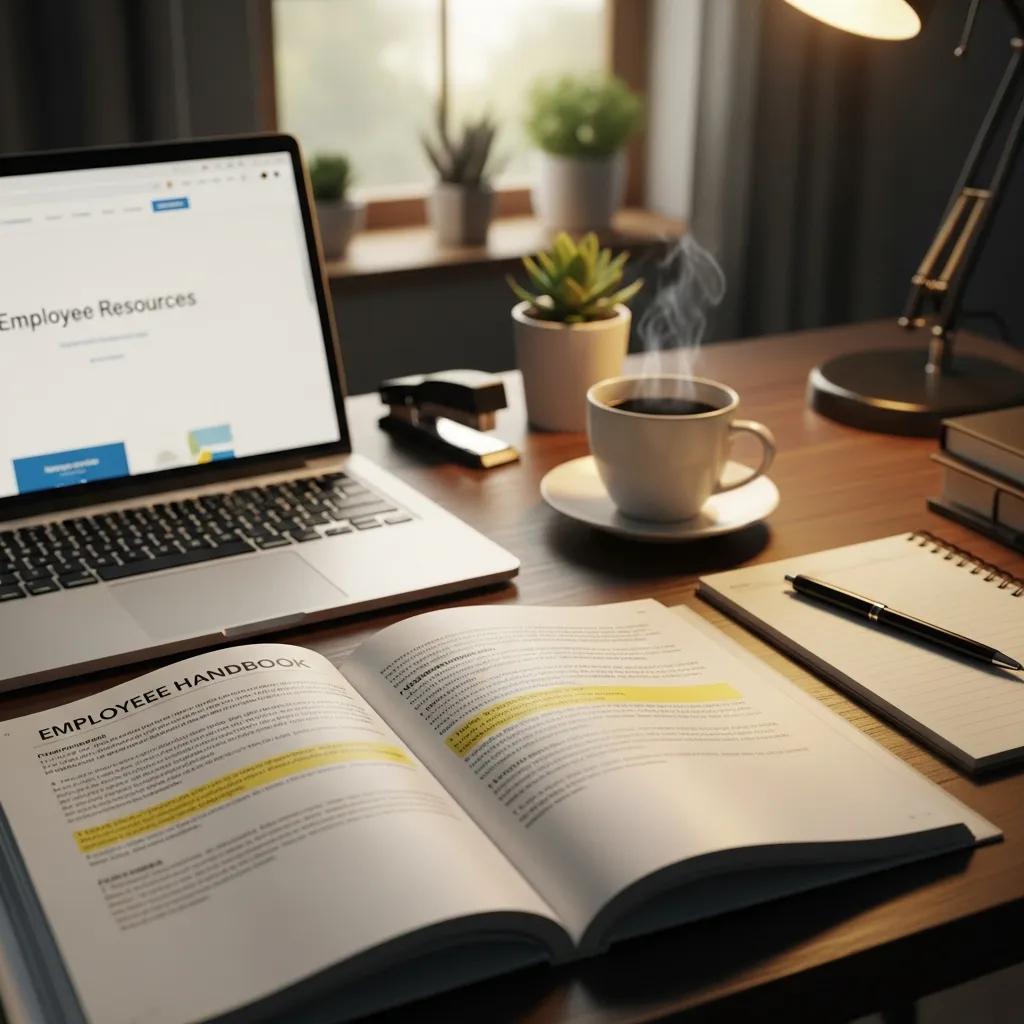
Simply HR Inc | Comprehensive HR Audit Services for Compliance

Key elements of an employee handbook audit include verifying that all policies are clearly articulated, ensuring compliance with labor laws, and confirming that employees have acknowledged receipt of the handbook. Additionally, auditors should assess whether the handbook includes essential topics such as anti-discrimination policies, harassment prevention, and employee benefits.

How Does Workplace Policy Review Support Labor Law Compliance?

A thorough workplace policy review supports labor law compliance by ensuring that all policies reflect current legal standards and best practices. This review process can help identify areas where policies may be lacking or outdated, allowing organizations to make necessary updates. For instance, incorporating recent changes in labor laws regarding remote work or employee rights can significantly enhance compliance efforts.

SimplyHR Inc. offers HR consulting services that assist in policy audits, helping businesses ensure their employee handbooks and workplace policies are compliant and effective.

What HR Risk Assessment Techniques Help SMBs Mitigate Compliance Issues?

Simply HR Inc | Comprehensive HR Audit Services for Compliance

HR risk assessment techniques are vital for identifying and prioritizing compliance issues within SMBs. These techniques enable organizations to proactively address potential risks before they escalate into significant problems.

How Are HR Risks Identified and Prioritized in SMBs?

HR risks are identified through various methods, including employee surveys, compliance audits, and performance evaluations. Once identified, risks are prioritized based on their potential impact on the organization and the likelihood of occurrence. This prioritization helps businesses focus their resources on the most critical compliance issues.

What Role Do Staffing Services Play in Addressing HR Compliance Risks?

Staffing services play a crucial role in addressing HR compliance risks by providing organizations with access to qualified personnel who are knowledgeable about labor laws and compliance requirements. These services can help fill gaps in HR expertise, ensuring that businesses remain compliant with regulations while effectively managing their workforce.

How Often Should SMBs Conduct HR Compliance Audits and Training?

Regular HR compliance audits and training are essential for maintaining compliance and adapting to changing regulations. The frequency of these audits can vary based on the organization’s size, industry, and specific compliance needs.

What Are the Recommended Audit Frequencies for Small to Medium Businesses?

For small to medium businesses, it is generally recommended to conduct HR compliance audits at least annually. However, organizations in highly regulated industries or those experiencing significant changes in workforce or regulations may need to perform audits more frequently. Additionally, any significant changes in laws or organizational structure should trigger an immediate audit.

How Does HR Compliance Training Enhance Audit Effectiveness?

HR compliance training enhances audit effectiveness by ensuring that all employees are aware of their responsibilities regarding compliance. Training programs should cover relevant laws, company policies, and best practices. Regular training sessions can help reinforce compliance culture within the organization, making audits more effective and less disruptive.

What Are the Latest Regulatory Compliance Updates Affecting SMBs in 2024-2026?

Staying informed about the latest regulatory compliance updates is crucial for SMBs to avoid potential legal issues. Recent changes in labor laws can significantly impact how businesses operate.

Which Labor Law Changes Should SMBs Monitor for Compliance?

SMBs should monitor several key labor law changes, including updates to minimum wage laws, changes in overtime regulations, and new requirements for employee benefits. These changes can affect payroll practices, employee classifications, and overall compliance strategies. It is important to note that labor law changes can vary significantly by state and locality, so SMBs should stay informed about both federal and local regulations.

How Can SMBs Integrate Automated Compliance Tools with HR Audits?

Integrating automated compliance tools with HR audits can streamline the audit process and enhance accuracy. These tools can help organizations track compliance metrics, manage documentation, and generate reports, making it easier to identify areas for improvement. By leveraging technology, SMBs can ensure they remain compliant with evolving regulations.

How Can Integrating HR Audits with Staffing Solutions Improve Compliance?

Integrating HR audits with staffing solutions can provide significant benefits for SMBs, enhancing overall compliance and operational efficiency.

What Are the Benefits of Combining HR Audits and Staffing Services?

Combining HR audits with staffing services allows organizations to address compliance gaps more effectively. Staffing services can provide expertise in compliance matters, while audits can identify specific areas where staffing practices may need improvement. This integration ensures that businesses not only comply with regulations but also optimize their HR functions.

How Do Staffing Solutions Address Identified HR Compliance Gaps?

Staffing solutions can address identified HR compliance gaps by providing trained personnel who understand compliance requirements and can implement best practices. This support can help organizations navigate complex regulations and maintain compliance more effectively, reducing the risk of legal issues.

By understanding the importance of comprehensive HR audits and the role of staffing solutions, SMBs can better position themselves for success in an increasingly regulated environment.

Simply HR Inc
Privacy Overview

This website uses cookies so that we can provide you with the best user experience possible. Cookie information is stored in your browser and performs functions such as recognising you when you return to our website and helping our team to understand which sections of the website you find most interesting and useful.