
SCHEDULE A CONSULTATION TODAY!  (404) 692-5355

Simply HR, Inc. logo featuring the text "SIMPLY HR" in blue, accompanied by "Catalyst For Culture Change" and a handshake graphic, emphasizing HR consulting and training services.

Call us

404-692-5355

Email

info@SimplyHRInc.com

Updated Header Button

Get in touch

Get in touch

Strategies for Managing a Multi-Generational Workforce

Simply HR Inc | Strategies for Managing a Multi-Generational Workforce

Effective Strategies for Managing a Multi-Generational Workforce to Enhance Communication and Engagement

In today’s diverse workplace, managing a multi-generational workforce is essential for fostering effective communication and engagement. This article explores strategies that can help organizations navigate the complexities of generational differences, ensuring that all employees feel valued and understood. By understanding the unique characteristics and work values of different generations, businesses can create a more cohesive and productive environment. The challenges of generational diversity often lead to misunderstandings and conflicts, but with the right strategies, organizations can turn these challenges into opportunities for growth and collaboration. This guide will cover key generational differences, effective communication strategies, leadership approaches, employee engagement techniques, and methods for measuring success in managing a multi-generational workforce.

Indeed, effectively managing this diverse workforce requires a nuanced approach that acknowledges the distinct needs and expectations of each generation.

Multi-Generational Workforce Management & Talent Retention

The current multi-generational workforce of Silent Generation, Baby Boomers, Generation X, and the Millennials generates a need for organizations to manage a highly diverse set of employees whose work habits and expectations vary widely. A generic approach to attracting and managing this multi-generational type of workforce is unlikely to work, mostly due to markedly distinct needs and wants by each generation. To keep up with multi-generational workforce, organizations need to respond to these varying needs and develop innovative ways to attract, manage, and retain talents.

Multi-generational workforce and its implication for talent retention strategies, V Khoreva, 2018

What Are the Key Generational Differences Impacting Workforce Dynamics?

Understanding the key generational differences is crucial for effective workforce management. Each generation brings unique perspectives, values, and work styles that can significantly impact workplace dynamics. By recognizing these differences, organizations can tailor their management strategies to better meet the needs of their diverse workforce.

How Do Baby Boomers, Generation X, Millennials, and Generation Z Differ in Work Values?

Baby Boomers, Generation X, Millennials, and Generation Z each have distinct work values shaped by their unique experiences. Baby Boomers often prioritize loyalty and a strong work ethic, valuing job security and traditional career paths. Generation X tends to value independence and work-life balance, often seeking flexibility in their roles. Millennials are known for their desire for meaningful work and opportunities for growth, while Generation Z emphasizes diversity, technology, and social responsibility in the workplace. Understanding these differences allows organizations to create tailored strategies that resonate with each generation.

Why Understanding Generational Profiles Is Crucial for Workforce Management

Recognizing generational profiles is essential for effective workforce management. By understanding the motivations and preferences of each generation, organizations can implement strategies that enhance employee satisfaction and retention. For instance, offering flexible work arrangements may appeal to Generation X, while providing opportunities for professional development can attract Millennials. This tailored approach not only improves engagement but also fosters a more inclusive organizational culture.

How Can Communication Strategies Bridge Generational Gaps in the Workplace?
Simply HR Inc | Strategies for Managing a Multi-Generational Workforce

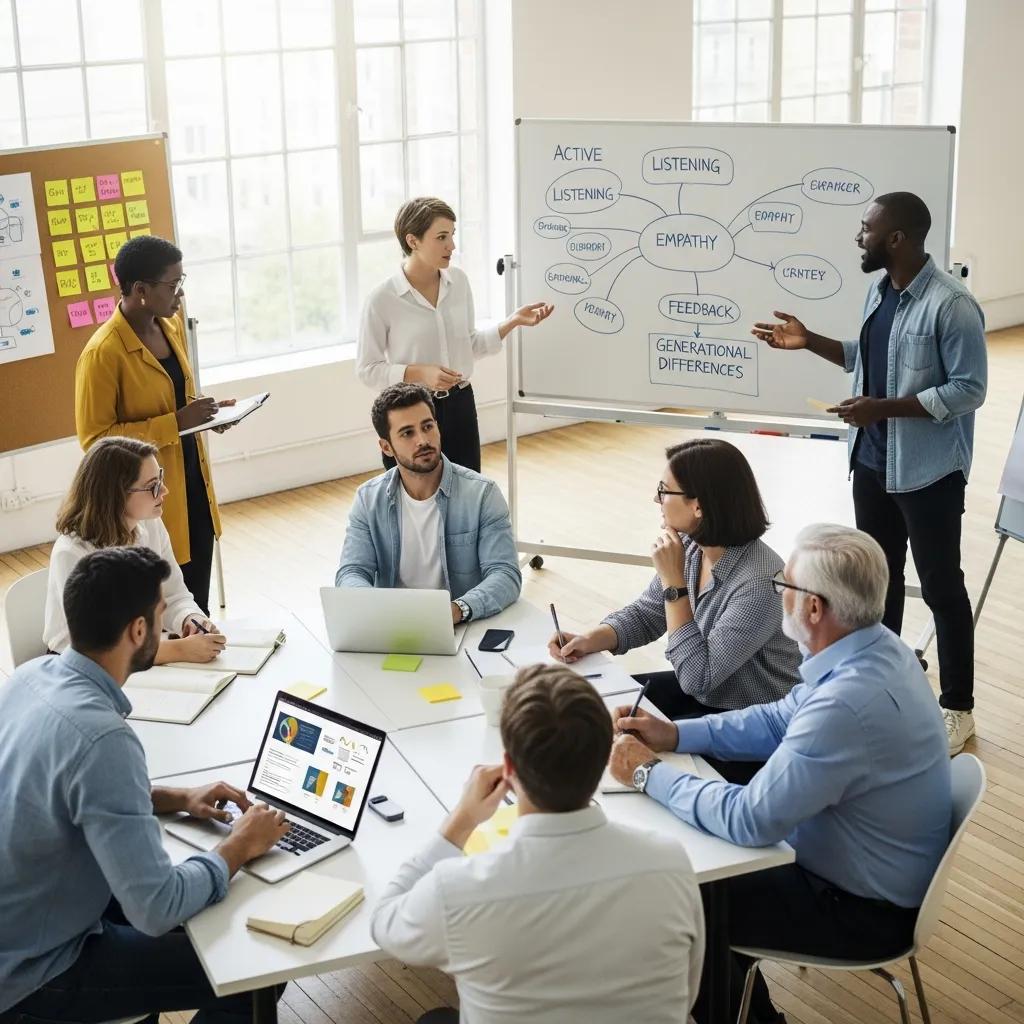
Effective communication is vital for bridging generational gaps in the workplace. Different generations often have varying communication preferences, which can lead to misunderstandings if not addressed. By implementing targeted communication strategies, organizations can enhance collaboration and reduce friction among team members.

What Are Effective Intergenerational Communication Techniques?

To facilitate effective intergenerational communication, organizations can adopt several techniques. These include using a mix of communication channels, such as emails, instant messaging, and face-to-face meetings, to cater to different preferences. Additionally, promoting an open-door policy encourages employees to voice their concerns and ideas, fostering a culture of transparency. Training sessions on communication styles can also help employees understand and appreciate the diverse ways in which their colleagues prefer to communicate.

How Does Tailored Communication Improve Collaboration Across Age Groups?

Tailored communication strategies can significantly improve collaboration across age groups. By recognizing the unique preferences of each generation, organizations can create a more inclusive environment. For example, younger employees may prefer quick, digital communication, while older generations might appreciate more formal, face-to-face interactions. By adapting communication methods to suit these preferences, organizations can enhance teamwork and ensure that all voices are heard.

Which Leadership Approaches Foster Productivity in Multi-Generational Teams?
Simply HR Inc | Strategies for Managing a Multi-Generational Workforce

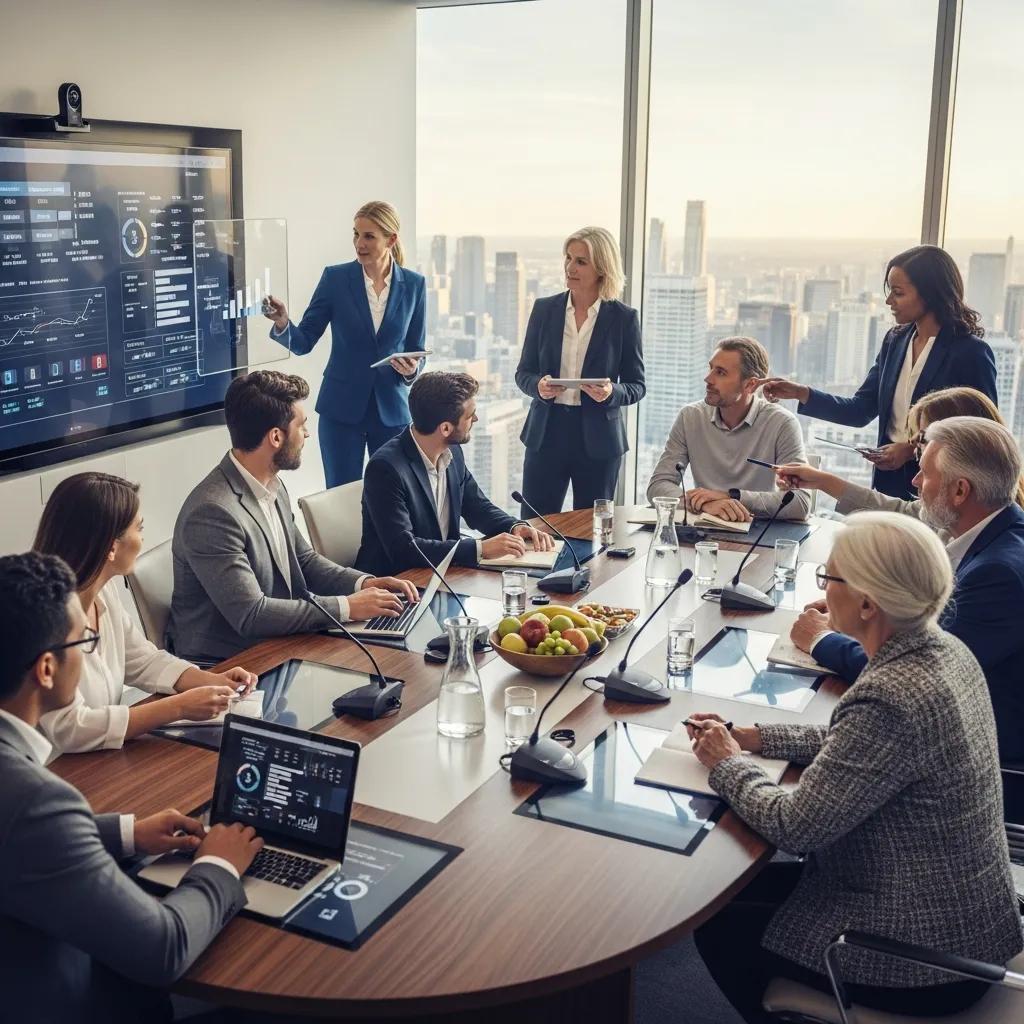
Leadership plays a crucial role in managing multi-generational teams. Effective leaders must adapt their styles to meet the diverse needs of their workforce, fostering an environment that promotes productivity and engagement.

How Can Leaders Adapt Styles to Support Diverse Generational Needs?

Leaders can adapt their styles by being flexible and open to feedback. For instance, a more collaborative approach may resonate well with Millennials, while a directive style might be more effective for Baby Boomers. By being aware of these preferences, leaders can create a supportive atmosphere that encourages all employees to contribute their best work. Additionally, providing mentorship opportunities can help bridge the gap between generations, allowing for knowledge sharing and skill development.

What Role Does Inclusive Leadership Play in Managing Generational Differences?

Inclusive leadership is essential for managing generational differences effectively. Leaders who embrace diversity and promote an inclusive culture can create a sense of belonging among employees. This approach not only enhances employee morale but also drives innovation by leveraging the unique perspectives of each generation. Inclusive leaders actively seek input from all team members, ensuring that diverse viewpoints are considered in decision-making processes.

What Employee Engagement Strategies Work Best for a Multi-Generational Workforce?

Engaging a multi-generational workforce requires tailored strategies that address the unique needs and preferences of each generation. By implementing effective engagement techniques, organizations can foster a more motivated and productive workforce.

How Can HR Consulting Services Enhance Engagement Across Generations?

HR consulting services can enhance engagement across generations by providing tailored training programs that address the diverse needs and expectations of a multigenerational workforce. Specifically, Simply HR offers multi-generational training that helps organizations create a dynamic work environment where employees of all ages feel valued and engaged. This approach fosters continuous learning and development, which is crucial for retaining high-potential employees and keeping them satisfied in their roles. By recognizing and addressing the unique perspectives and learning styles of different generations, HR consulting can improve overall employee engagement and satisfaction.

Why Is Recognizing Generational Preferences Important for Retention?

Recognizing generational preferences is important for retention because modern employees expect a dynamic job experience that includes ongoing learning and development. Companies that understand and cater to these preferences can create engaging training programs that keep employees satisfied and reduce turnover. Employees who continuously learn new skills are more engaged and satisfied with their careers, while those who do not may feel bored and see little value in their current roles. Therefore, aligning training with generational expectations can significantly enhance employee retention.

How Do Staffing Solutions Optimize Multi-Generational Team Building?

Staffing solutions play a vital role in optimizing multi-generational team building. By implementing best practices in recruitment and team dynamics, organizations can create balanced and productive teams.

What Are Best Practices for Recruiting Diverse Age Groups?

Recruiting diverse age groups requires a strategic approach that emphasizes inclusivity. Organizations should focus on creating job descriptions that appeal to a wide range of candidates, highlighting the benefits of a multi-generational workforce. Additionally, utilizing various recruitment channels, such as social media and community outreach, can help attract candidates from different age groups. By fostering an inclusive hiring process, organizations can build teams that reflect the diversity of the workforce.

How Can Staffing Services Support Balanced and Productive Teams?

Staffing services can support balanced and productive teams by providing training programs that attract and retain high-potential employees. These programs create a dynamic work environment, ensuring employees continuously learn and develop their skills, which leads to higher job satisfaction and engagement. By shifting the focus from merely meeting minimum qualifications to fostering ongoing development, staffing services can help companies build a more versatile and engaged workforce, ultimately reducing turnover and enhancing team productivity.

How Can Organizations Measure Success and Continuously Improve Multi-Generational Workforce Management?

Measuring success in managing a multi-generational workforce is essential for continuous improvement. Organizations can implement various metrics to evaluate their effectiveness in fostering an inclusive and engaging work environment.

Which Metrics Reflect Effective Generational Communication and Engagement?

Organizations can utilize several metrics to assess effective generational communication and engagement. These may include employee satisfaction surveys, retention rates, and performance evaluations. By analyzing these metrics, organizations can identify areas for improvement and develop targeted strategies to enhance communication and engagement across generations. Regular feedback loops can also help organizations stay attuned to the evolving needs of their workforce.

How Do Case Studies Demonstrate Successful HR Consulting Outcomes?

Case studies demonstrate successful HR consulting outcomes by showcasing how effective training programs can enhance employee engagement, satisfaction, and retention. They illustrate that companies with dynamic training environments attract high-potential talent and reduce turnover by providing ongoing learning opportunities. Additionally, these case studies highlight the shift in mindset needed for training to be viewed as a continuous process rather than a one-time obligation, ultimately leading to a more versatile and engaged workforce.

MetricDescriptionValue
Employee SatisfactionMeasures overall job satisfactionHigh satisfaction correlates with retention
Retention RatePercentage of employees staying over timeHigher rates indicate effective engagement strategies
Performance EvaluationAssessment of employee performancePositive evaluations reflect successful management practices

This table illustrates the importance of tracking these metrics to ensure effective generational communication and engagement within the workforce.

Simply HR Inc
Privacy Overview

This website uses cookies so that we can provide you with the best user experience possible. Cookie information is stored in your browser and performs functions such as recognising you when you return to our website and helping our team to understand which sections of the website you find most interesting and useful.