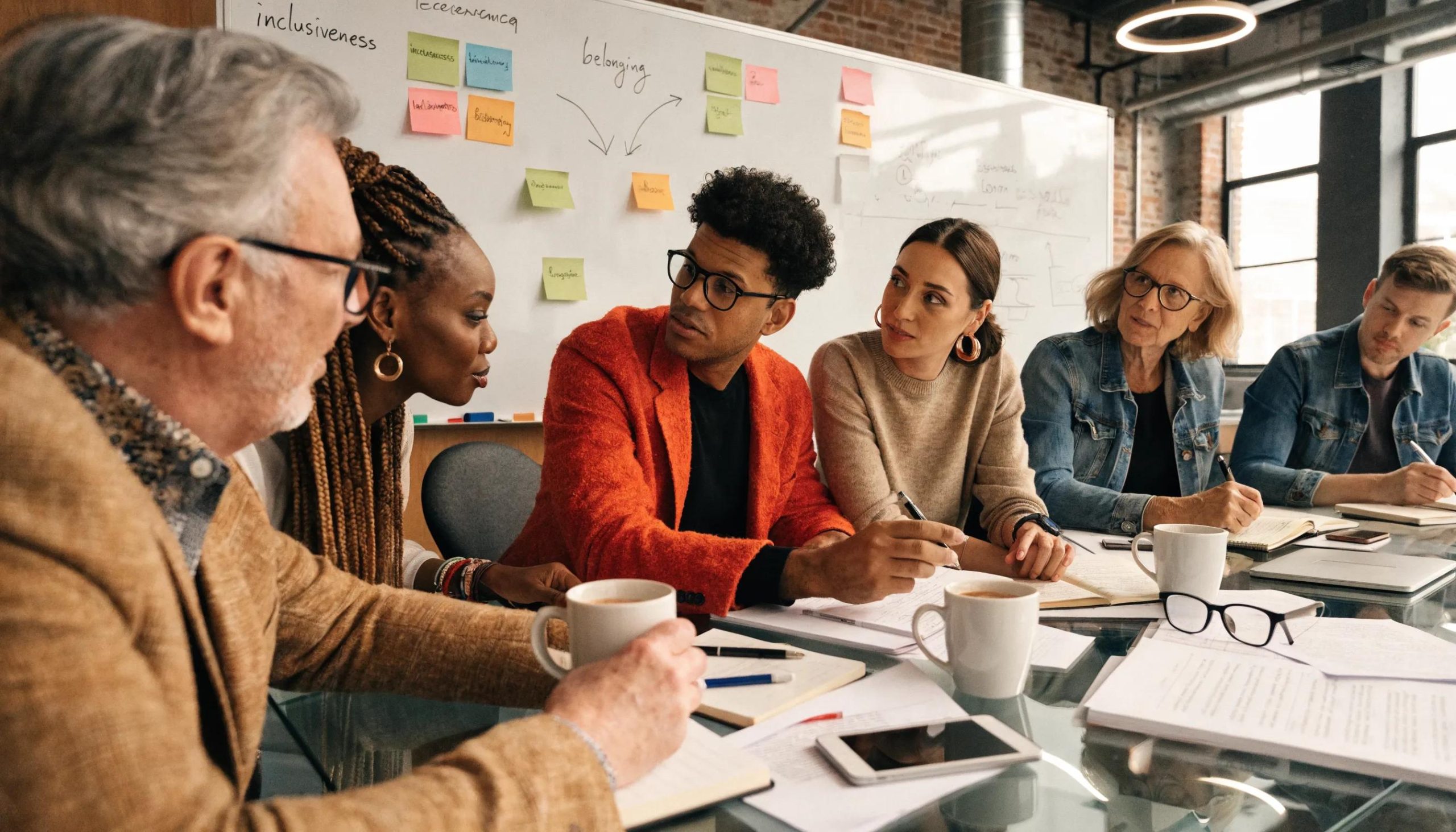

Effective intergenerational communication strategies in a multi-generational workplace include:
- Diverse communication channels: Utilizing a mix of communication platforms, such as emails, instant messaging, and in-person meetings, caters to the preferences of various age groups.
- Open-door policy: Encouraging an atmosphere where employees feel comfortable sharing ideas and concerns can reduce generational barriers and foster collaboration.
- Training on communication styles: Providing workshops that educate employees on the nuances of intergenerational communication can enhance understanding and reduce conflicts.
Communication Strategies for Bridging the Generational Gap in the Workplace
fosters understanding, cooperation, and respect among multi generational employees, it is crucial for closing the generation gap in organisations.
Organisations may establish a The importance of communication strategies for effectively managing different generations at the workplace, N Rai, 2023
What Challenges Exist in a Multi-Generational Workplace?
- Communication style conflicts: Different generations often have distinct preferences for communication, which can lead to misunderstandings or frustration.
- Workplace culture clashes: Varied work ethics and values among generations can create tension in team dynamics.
- Technology adoption gaps: Disparities in technology comfort levels can lead to inefficiencies in communication and workflow.
How Do Generational Communication Styles Differ and Impact Workplace Culture?
- Communication style preferences: Baby Boomers may prefer face-to-face meetings, while Millennials and Gen Z lean towards digital communication. This divergence can create friction if not managed appropriately.
- Impact on team dynamics: Misunderstandings between generations can lead to decreased productivity, team cohesion, and overall morale.
- Understanding generational values: Each generation holds distinct perspectives on work-life balance and job expectations, which influence their interactions and engagement.
What Are the Common Barriers to Cross-Generational Communication?
- Age discrimination concerns: Stereotyping based on age can create a divisive atmosphere and prevent collaboration.
- Knowledge transfer barriers: Older generations may feel their expertise is not valued, while younger generations might struggle to articulate their ideas.
- Stereotyping issues: Assumptions about work ethic and adaptability can lead to miscommunication and conflict.
Which Intergenerational Communication Strategies Improve Employee Engagement and Legacy Building?

Intergenerational Collaboration Strategies in Multigenerational Workforces
, including the communication, management, and collaboration strategies that can facilitate Understanding intergenerational collaboration: Exploring challenges and collaboration strategies in the multigenerational workforce, 2024
How Can Mentorship Programs Foster Generational Legacy and Workforce Retention?
What Role Do Communication Technologies Play in Bridging Generational Divides?
How Do Leadership Approaches Bridge Generational Gaps and Influence Workplace Culture Across Generations?