
SCHEDULE A CONSULTATION TODAY!  (404) 692-5355

Simply HR Inc | Employee Benefits Administration Guide for 2026: Complete SMB Handbook

Call us

404-692-5355

Email

info@SimplyHRInc.com

Updated Header Button

Get in touch

Get in touch

Employee Benefits Administration Guide for 2026: Complete SMB Handbook

Simply HR Inc | Employee Benefits Administration Guide for 2026: Complete SMB Handbook

Employee Benefits Administration Guide for 2026: Complete SMB Handbook for Effective Benefits Management

As small to mid-sized businesses (SMBs) navigate the evolving landscape of employee benefits in 2026, understanding the intricacies of benefits administration becomes crucial. This comprehensive guide will equip you with the knowledge to manage, optimize, and ensure compliance with employee benefits programs effectively. In this article, we will explore the key types of employee benefits, the enrollment process, compliance updates, cost optimization strategies, and the latest HR technology trends. By addressing these areas, SMBs can enhance employee satisfaction and retention while maintaining compliance with regulatory requirements.

What Are the Key Types of Employee Benefits for SMBs in 2026?

In 2026, SMBs can offer a variety of employee benefits that cater to the diverse needs of their workforce. These benefits typically include health insurance, retirement plans, paid time off, wellness programs, and professional development opportunities. Each type of benefit plays a significant role in attracting and retaining talent, as well as promoting employee well-being.

How Do Different Benefits Programs Support Employee Wellness and Retention?

Different benefits programs, particularly training and development opportunities, support employee wellness and retention by creating a dynamic work environment where employees can continuously learn and grow. Employees who engage in ongoing training are generally more satisfied with their jobs and career direction, leading to higher retention rates. Companies that prioritize training can attract high-potential talent by offering a culture of learning, which helps to mitigate the challenges of hiring based on experience alone. Additionally, cross-training can enhance employee versatility and engagement, further contributing to overall job satisfaction and retention.

What Eligibility Criteria Should SMBs Consider for Benefits Enrollment?

When establishing benefits enrollment processes, SMBs should consider several eligibility criteria to ensure that all employees can access the benefits they need. Common eligibility factors include employment status (full-time vs. part-time), length of service, and specific job roles. Clear communication regarding eligibility is essential, as it impacts employee satisfaction and their understanding of available benefits. By outlining these criteria, SMBs can foster a more inclusive benefits environment that encourages participation.

How to Navigate the Benefits Enrollment Process for Small and Medium-Sized Businesses?

Navigating the benefits enrollment process can be complex for SMBs, but understanding the step-by-step procedures can simplify this task.

What Are the Step-by-Step Procedures for Benefits Enrollment in 2026?
Simply HR Inc | Employee Benefits Administration Guide for 2026: Complete SMB Handbook

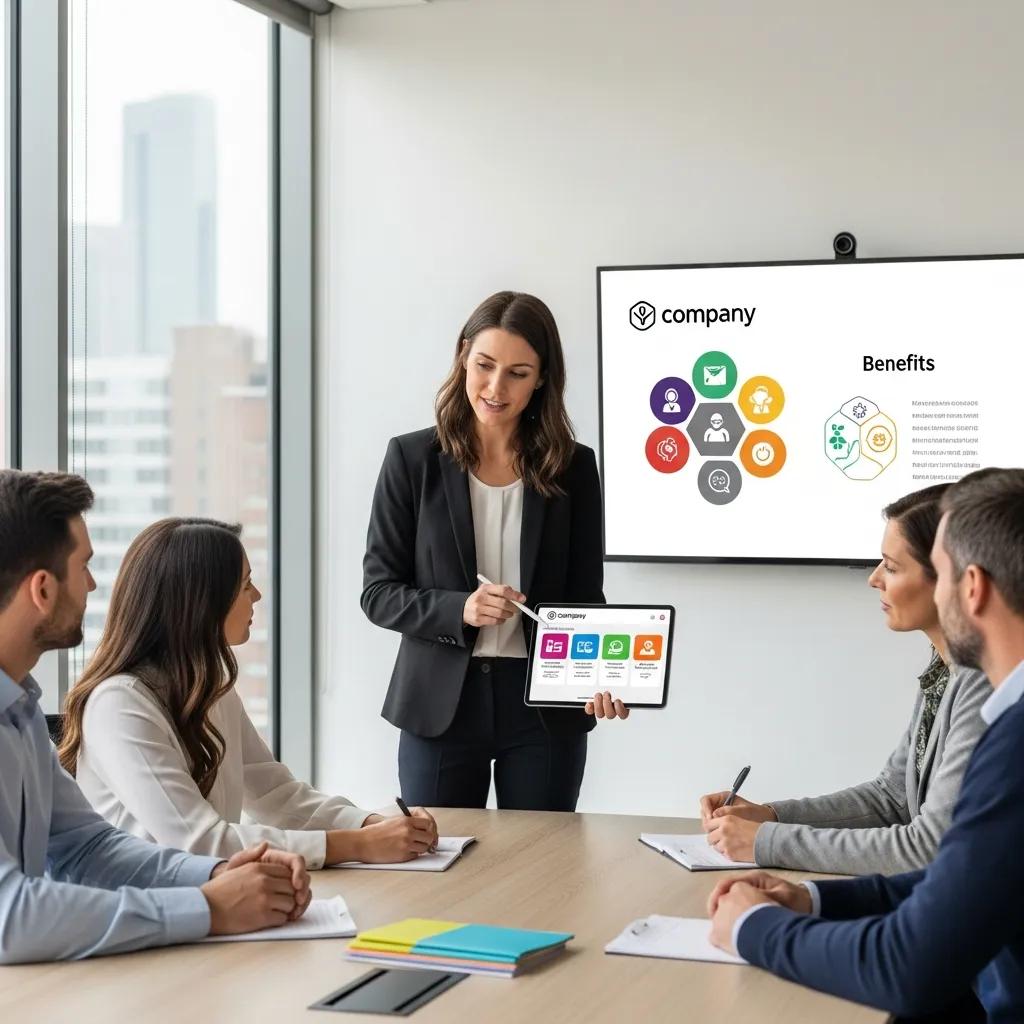
The benefits enrollment process typically involves several key steps:

  1. Preparation: Gather necessary documentation and information about available benefits.
  2. Communication: Inform employees about the enrollment period and the benefits offered.
  3. Enrollment: Allow employees to select their desired benefits through an online platform or paper forms.
  4. Verification: Confirm employee eligibility and ensure all documentation is complete.
  5. Implementation: Activate the selected benefits and provide employees with confirmation.

By following these steps, SMBs can streamline the enrollment process and ensure a smooth experience for their employees.

How Can SMBs Streamline Employee Eligibility Verification and Documentation?

To streamline employee eligibility verification and documentation, SMBs can implement several strategies. Utilizing digital tools for document submission and verification can significantly reduce administrative burdens. Additionally, maintaining accurate records and regularly updating employee information can help ensure compliance with eligibility requirements. Best practices include conducting periodic audits of employee records and providing training for HR staff on efficient documentation processes.

What Are the Critical 2026 Compliance Updates for Employee Benefits Administration?
Simply HR Inc | Employee Benefits Administration Guide for 2026: Complete SMB Handbook

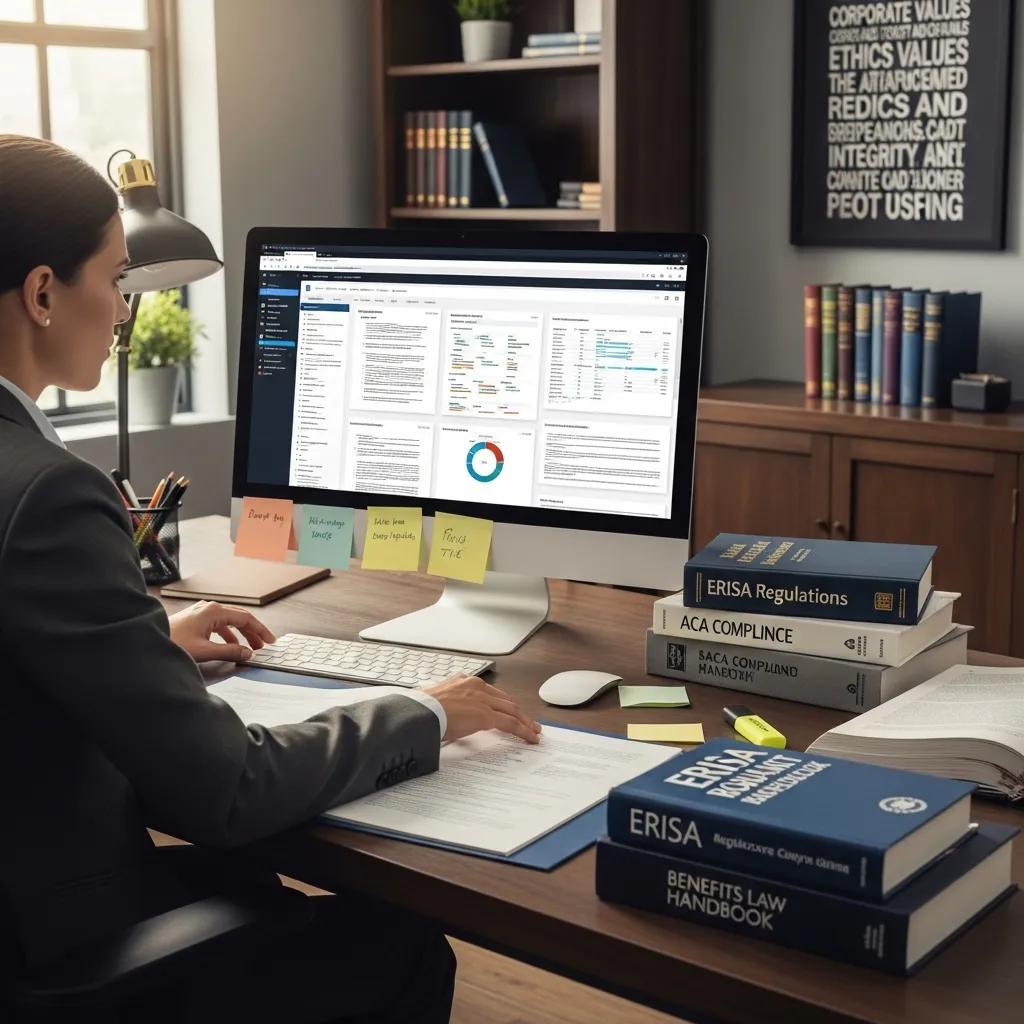
Staying compliant with evolving regulations is essential for SMBs managing employee benefits.

Which Regulatory Changes Impact SMB Benefits Programs in 2026?

In 2026, several regulatory changes will impact SMB benefits programs, including updates to health care laws, retirement plan requirements, and paid leave policies. These changes may require SMBs to adjust their benefits offerings to remain compliant. For instance, new health care regulations may mandate expanded coverage options, while retirement plan updates could necessitate changes in contribution limits as adjusted annually by the IRS. Paid leave policies may also see modifications depending on state and local laws.

How Can SMBs Ensure Ongoing Compliance with HR Benefits Regulations?

To ensure ongoing compliance with HR benefits regulations, SMBs should implement regular compliance audits and provide training for HR staff on the latest regulatory requirements. Utilizing compliance software can also help streamline the monitoring of benefits programs and ensure adherence to legal standards. By proactively addressing compliance issues, SMBs can mitigate risks and avoid potential penalties.

How Can SMBs Optimize Costs in Employee Benefits Management?

Cost management is a critical aspect of employee benefits administration for SMBs.

What Strategies Help Manage and Reduce Benefits Administration Expenses?

Several strategies can help SMBs manage and reduce benefits administration expenses:

  1. Negotiating with Providers: SMBs can negotiate better rates with benefits providers to lower costs.
  2. Leveraging Technology: Implementing HR technology solutions can automate administrative tasks, reducing labor costs.
  3. Reviewing Benefits Packages: Regularly reviewing and adjusting benefits packages can help identify unnecessary expenses.

By adopting these strategies, SMBs can optimize their benefits management while maintaining employee satisfaction.

Further emphasizing the importance of these efforts, research highlights that cost optimization and productivity increases are crucial for small and medium enterprises in a competitive market.

Cost Optimization Strategies for Small & Medium Enterprises

Productivity increase and cost optimization are critical tasks for SMEs. In a competitive environment, increasing productivity without installing additional capacity enables the SMEs to avoid heavy investment and maximize their

Productivity improvement and cost optimization of small and medium scale enterprises, 2017

How Do Case Studies Illustrate Effective Cost Optimization for SMBs?

Case studies illustrate effective cost optimization for SMBs by demonstrating how great training programs can enhance employee satisfaction and retention. By investing in ongoing training, companies can attract high-potential employees and reduce turnover, which ultimately lowers hiring and training costs. Additionally, cross-training employees creates a more versatile workforce, allowing SMBs to maximize their resources and improve operational efficiency. This strategic approach to employee development can lead to a more engaged workforce and a flourishing business, showcasing the financial benefits of prioritizing training.

What HR Technology Trends Are Shaping Benefits Administration in 2026?

The landscape of HR technology is rapidly evolving, impacting how SMBs manage employee benefits.

How Does Employee Benefits Management Software Enhance SMB Operations?

Employee benefits management software enhances SMB operations by automating administrative tasks, improving data accuracy, and streamlining communication with employees. These tools can simplify the enrollment process, track employee eligibility, and generate reports for compliance purposes. By leveraging technology, SMBs can reduce the time and resources spent on benefits administration, allowing HR teams to focus on strategic initiatives.

What Emerging Tools Support Compliance Automation and Benefits Tracking?

Emerging tools for compliance automation and benefits tracking include software solutions that integrate with existing HR systems to monitor regulatory changes and ensure adherence to legal requirements. These tools can provide real-time updates on compliance status and alert HR teams to potential issues. By utilizing these technologies, SMBs can enhance their compliance efforts and reduce the risk of penalties associated with non-compliance.

How Can SMBs Improve Employee Communication and Engagement Around Benefits?

Effective communication is vital for enhancing employee engagement with benefits programs.

What Are Best Practices for Communicating Benefits Enrollment and Changes?

Best practices for communicating benefits enrollment and changes include:

  1. Clear Communication Channels: Establish dedicated channels for benefits-related information, such as newsletters or intranet pages.
  2. Regular Updates: Provide employees with timely updates regarding benefits changes and enrollment periods.
  3. Feedback Mechanisms: Encourage employee feedback on benefits offerings to identify areas for improvement.

By implementing these practices, SMBs can foster a culture of transparency and engagement around benefits.

How Do Employee Wellness Programs Boost Participation and Satisfaction?

Employee wellness programs boost participation and satisfaction by providing health-focused initiatives such as fitness programs, mental health resources, and preventive care, which improve overall employee well-being. While training and development contribute to engagement and retention, wellness programs specifically target physical and mental health, reducing absenteeism and increasing productivity. A culture that supports wellness attracts and retains employees seeking a balanced work environment.

Compliance UpdateDescriptionImpact on SMBs
Health Care RegulationsNew mandates for expanded coverage optionsIncreased costs and administrative requirements
Retirement Plan ChangesAdjustments to contribution limitsPotential need for plan redesign
Paid Leave PoliciesNew requirements for paid leaveIncreased financial obligations

This table summarizes the critical compliance updates that SMBs must consider in 2026, highlighting the potential impacts on their benefits programs.

In conclusion, navigating the complexities of employee benefits administration in 2026 requires SMBs to stay informed about the latest trends, compliance updates, and best practices. By focusing on effective communication, cost optimization, and leveraging technology, SMBs can enhance their benefits offerings and improve employee satisfaction and retention.

Simply HR Inc
Privacy Overview

This website uses cookies so that we can provide you with the best user experience possible. Cookie information is stored in your browser and performs functions such as recognising you when you return to our website and helping our team to understand which sections of the website you find most interesting and useful.