
SCHEDULE A CONSULTATION TODAY!  (404) 692-5355

Simply HR, Inc. logo featuring the text "SIMPLY HR" in blue, accompanied by "Catalyst For Culture Change" and a handshake graphic, emphasizing HR consulting and training services.

Call us

404-692-5355

Email

info@SimplyHRInc.com

Button promoting keynote speaker services for Simply HR, Inc., with a call to action for event inquiries.

Get in touch

Get in touch

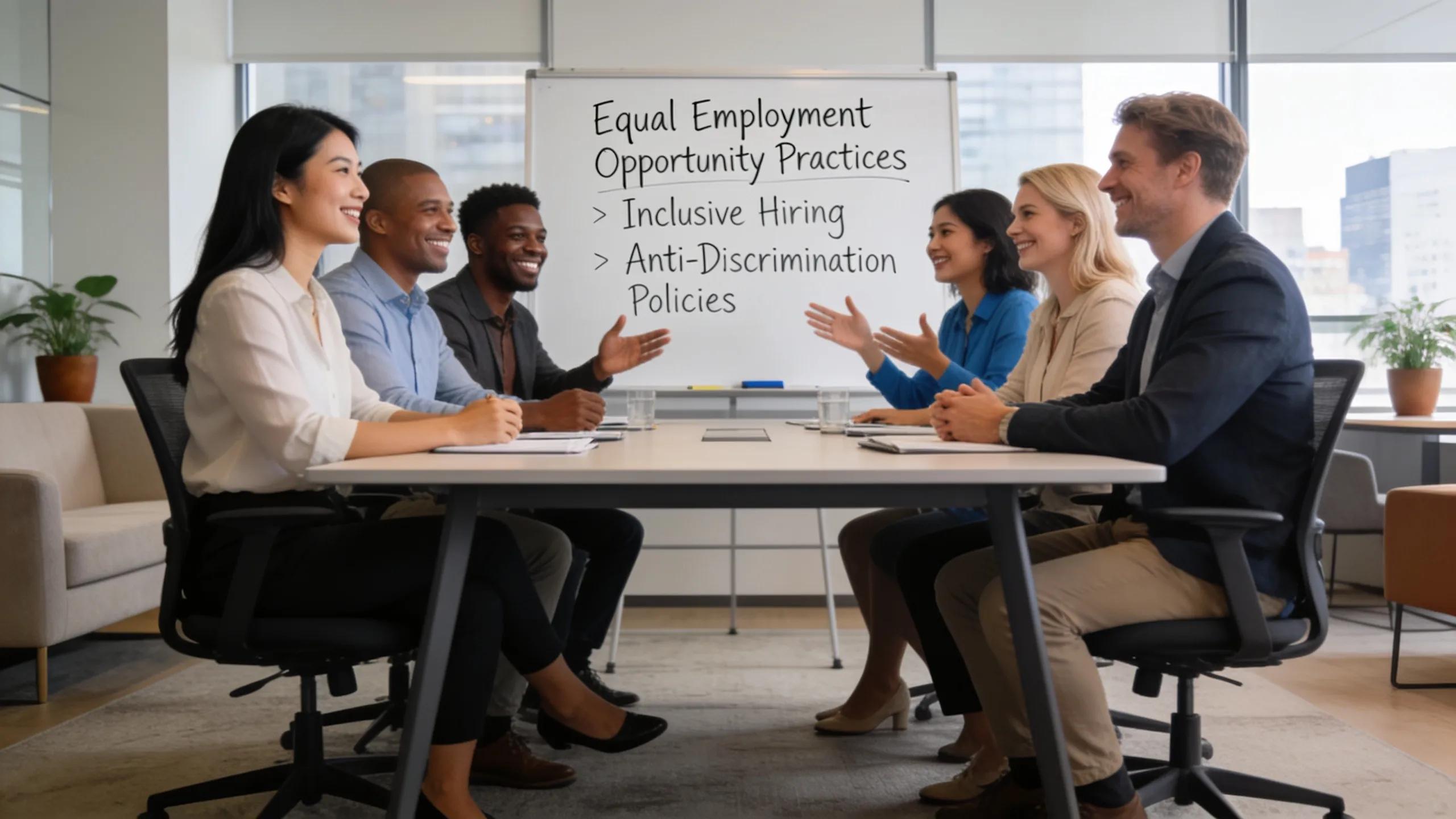
Simply HR Inc | EEO Compliance Best Practices for Employers: Essential Training, Audits, Policies, Reporting, and Small Business Guidance

By Tonia Morris, Simply HR Inc

Ensuring equal employment opportunity (EEO) compliance is a critical responsibility for employers across various industries. Not only does it promote a diverse and inclusive workplace, but it also mitigates the risks of legal actions and enhances the organization’s reputation. This comprehensive guide will explore essential training requirements, audit procedures, effective policies, and reporting mechanisms that contribute to robust EEO compliance. Employers often face challenges due to misunderstandings of the laws and regulations surrounding employment practices, leading to potential violations that can have severe consequences.

In this article, we will delve into key aspects of EEO compliance, including small business-specific guidance, effective training programs, audit strategies, and necessary reporting requirements to promote a culture of inclusivity in the workplace. By implementing these best practices, employers can foster a fair and equitable workplace environment that not only meets legal standards but also encourages employee satisfaction and productivity.

Essential Training Requirements

Simply HR Inc | EEO Compliance Best Practices for Employers: Essential Training, Audits, Policies, Reporting, and Small Business Guidance

To ensure EEO compliance, employers must provide specific training programs that address key aspects of workplace discrimination, harassment prevention, and inclusion. Implementing effective training not only educates employees but also demonstrates a commitment to maintaining a diverse and equitable work environment.

  1. Diversity and Inclusion Training: Focuses on fostering a workplace culture that values diverse perspectives and promotes equitable opportunities for all employees.
  2. Harassment Prevention Training: Aimed at educating employees about the different forms of harassment and the importance of reporting any incidents.
  3. Compliance Training: Provides an understanding of the legal framework surrounding EEO laws and employer responsibilities.

Through these training programs, employers can significantly enhance employee awareness and reduce the risk of EEO violations.

Audit Procedures

Conducting regular audits is critical for maintaining EEO compliance. These audits help employers identify potential areas of vulnerability and rectify them before they escalate into legal issues.

  1. Regular HR Compliance Audits: Involves reviewing hiring practices, compensation, and promotion processes to ensure fairness and adherence to EEO laws.
  2. Employee Handbook Audits: Ensures that company policies align with current regulations and reflect a commitment to EEO principles.
  3. Risk Assessment Techniques: Identify potential risks in workplace practices that could lead to discrimination claims.

Through these procedures, businesses can stay proactive in recognizing and addressing compliance challenges.

Essential Principles of EEO Compliance

Simply HR Inc | EEO Compliance Best Practices for Employers: Essential Training, Audits, Policies, Reporting, and Small Business Guidance

Establishing effective EEO policies is fundamental to creating a compliant and inclusive workplace. These policies define the standards and expectations for behavior among employees and management.

  1. Anti-Discrimination Policies: Clearly outline prohibited discriminatory practices based on race, gender, age, religion, and other protected characteristics.
  2. Harassment Policies: Detail the procedures for reporting harassment and the consequences of such behaviors within the workplace.
  3. Leave Policies: Address the various types of leave available to employees, ensuring that they comply with EEO regulations regarding family and medical leave.

By implementing comprehensive policies, employers can create a foundation for a respectful and inclusive workplace environment.

Reporting Mechanisms

Establishing clear reporting mechanisms for EEO violations is essential for fostering transparency and accountability within an organization. Employees should feel empowered to report incidents without fear of retaliation.

  1. Clear Reporting Procedures: Provide step-by-step instructions on how employees can confidentially report discrimination or harassment.
  2. Anonymous Reporting Options: Allow employees to report issues anonymously to encourage reporting in sensitive situations.
  3. Regular Communication: Continually reinforce the importance of reporting mechanisms through company meetings and training sessions.

A robust reporting framework encourages employees to come forward when issues arise, enabling businesses to address concerns promptly.

Guidance for Small Businesses

Small businesses face unique challenges in achieving and maintaining EEO compliance. Understanding these challenges allows small business owners to tailor their strategies effectively.

  1. Stay Updated with Compliance Laws: Regularly review updates on EEO laws to ensure that practices remain compliant with current regulations.
  2. Utilize HR Consulting Services: Seek expert advice to navigate complex compliance requirements effectively.
  3. Implement Compliance Checklists: Utilize checklists to ensure that all aspects of EEO regulations are covered in workplace policies and procedures.

With a concentrated approach, small businesses can effectively manage EEO compliance while fostering a diverse workforce.

What Are Effective EEO Compliance Training Programs for Employers?

An effective EEO compliance training program is crucial for ensuring that employees understand their responsibilities related to workplace discrimination and harassment. Well-structured training enhances awareness and compliance among staff.

Key Components

The essential components of an effective training program include:

  1. Policies Education: Training should cover the organization’s policies regarding discrimination and harassment.
  2. Training Methods: A combination of instructor-led sessions, online courses, and interactive workshops can cater to different learning styles.
  3. Reporting Mechanisms: Employees must be educated about how to report issues and the importance of doing so.

These components work together to create a comprehensive understanding of EEO principles.

Delivery Methods

Employers can implement various methods to deliver EEO training effectively:

  1. Interactive Workshops: Engaging approaches that stimulate discussion and participation, reinforcing learning.
  2. Online Training: Flexible solutions that allow employees to complete training at their own pace while ensuring consistent content delivery.
  3. In-Person Sessions: Personal interactions that allow for immediate feedback and opportunities for clarification.

Each delivery method has unique benefits that can enhance employee understanding and engagement.

Assessment Strategies

To measure the effectiveness of training programs, employers should implement assessment strategies:

  1. Pre- and Post-Training Surveys: Evaluating employee knowledge before and after training sessions to assess learning outcomes.
  2. Feedback Mechanisms: Collecting participant feedback to improve future training programs.

Through these strategies, employers can refine their training efforts to maximize effectiveness in fostering compliance.

Which Topics Should EEO Training Programs Cover?

In developing EEO training, it’s imperative to cover the right topics that equip employees with necessary knowledge. Some core topics include:

  • Sexual Harassment Training: Addressing inappropriate conduct and emphasizing how to prevent it.
  • Employee Conduct Training: Educating employees about expected behaviors and ethics in the workplace.
  • Diversity and Inclusion Training: Promoting understanding of varied perspectives to foster an inclusive environment.

Implementing these topics ensures that employees are well-informed and prepared to contribute to a compliant workplace.

How Often Should Employers Conduct EEO Compliance Training?

Regularity in conducting EEO compliance training plays a significant role in maintaining a compliant workplace. It’s crucial for employers to establish a routine for training updates.

  1. Annual Training Recommendations: Conducting training at least once a year ensures employees stay informed of current regulations.
  2. State-Specific Regulations: Some states may require more frequent training; employers should remain aware of these guidelines.
  3. Ongoing Awareness Programs: Implementing continuous educational opportunities helps reinforce the importance of EEO compliance.

By establishing a training schedule, businesses can sustain a knowledgeable workforce prepared to uphold EEO principles.

How Do Employers Perform an EEO Audit Using an Effective Checklist?

Conducting an EEO audit involves evaluating employment practices and identifying areas needing improvement. A structured approach ensures thoroughness.

  1. Conduct Annual Audits: Regularly scheduled audits provide ongoing oversight of compliance efforts.
  2. Checklist for Compliance: Utilizing a comprehensive checklist helps ensure that all necessary components of EEO compliance are assessed.
  3. Review Procedures for Audits: Establish protocols for how audits will be conducted, analyzed, and reported to leadership.

These strategies are vital for gaining insights into compliance standing and effectively addressing potential issues.

What Items Must Be Included in an EEO Audit Checklist?

An EEO audit checklist should encompass a wide range of factors to ensure total compliance. Key items include:

  1. Training Records: Confirmation that employees have completed necessary training sessions.
  2. Policy Reviews: Verifying that all company policies reflect current EEO regulations.
  3. Employee Feedback: Gathering insights from employees to understand the workplace climate from their perspective.

This comprehensive approach can help organizations remain vigilant in their compliance efforts.

What Is the Step-by-Step Process for Conducting an EEO Audit?

Conducting an EEO audit requires a methodical approach:

  1. Initial Assessment: Evaluate current policies and practices regarding EEO compliance.
  2. Follow-Up Actions: Identify gaps and inconsistencies to address through policy revisions or additional training.
  3. Reporting Results: Document findings and present them to the organization for review and action.

This systematic process ensures thorough oversight and accountability in compliance practices.

What Should Workplace Discrimination Policies Include? Examples and Best Practices

Developing robust anti-discrimination policies is a key aspect of EEO compliance. These policies articulate the organization’s stance on discrimination and outline expected conduct.

Key Components of Effective Discrimination Policies

Effective discrimination policies should include:

  1. Clear Definitions: Providing precise definitions of discrimination and harassment to minimize ambiguity.
  2. Investigation Procedures: Outlining steps for investigating claims of discrimination to ensure fair resolution.

This foundation establishes a clear protocol for addressing and managing discrimination claims.

Best Practices for Implementation

To implement successful discrimination policies, organizations should use best practices:

  1. Stakeholder Engagement: Involving team members in the policy development process fosters buy-in and understanding.
  2. Regular Training: Continuous training reinforces the importance of these policies and keeps employees informed.
  3. Monitoring: Implementing monitoring systems to ensure compliance with the policies and effectiveness.

These practices help embed discrimination policies into the organizational culture, promoting a respectful workplace.

How Do Model Discrimination Policies Enhance Legal Compliance?

Adopting model discrimination policies can significantly enhance compliance efforts by:

  1. Documentation of Claims: Ensuring clear records are maintained for all complaints received and resolved.
  2. Consistency in Policies: Standardizing practices across the organization reduces the risk of disparate treatment among employees.

By following established models, employers can mitigate risks and establish a solid foundation for compliance.

What Are EEO Reporting and Recordkeeping Requirements Employers Must Follow?

Understanding EEO reporting and recordkeeping requirements is essential for compliance. Employers must accurately document certain information as mandated by law.

  1. Types of Reports: Employers are required to submit various reports detailing workforce demographics and hiring practices.
  2. Maintenance of Records: Effectively maintaining records related to hiring, promotions, and terminations ensures compliance with EEO regulations.

Adhering to these requirements is crucial for demonstrating a commitment to transparency and accountability.

Which Types of Reports Must Employers Submit and When?

Employers must submit different types of reports, including:

  1. EEO-1 Reports: Required annually, showcasing the demographics of the workforce by job category.
  2. Pay Data Reporting: Regular submissions of payroll data to identify potential wage gaps among different demographics.

Keeping abreast of these reporting requirements ensures compliance and accountability to regulatory standards.

How Should Employers Maintain Records to Meet EEO Guidelines?

Proper record maintenance practices can help ensure compliance with EEO guidelines:

  1. Documentation Systems: Establishing comprehensive systems for recording employee information, incidents, and outcomes.
  2. Retention Periods: Knowing how long to keep certain records in compliance with federal guidelines.

These practices provide a clear path to document management crucial for compliance efforts.

What Are Best Practices for Small Business Employers to Maintain EEO Compliance?

Small businesses can employ specific practices tailored to their size which can effectively address EEO compliance challenges.

  1. Anti-Discrimination Policy: Developing clear anti-discrimination policies suited to the unique dynamics of smaller workforces.
  2. Regular Training Sessions: Conducting training to ensure all employees understand their rights and responsibilities.

Implementing these practices helps small businesses promote inclusivity and equity in their operations.

How Can Small Businesses Implement Practical EEO Audits and Training?

Small businesses can carry out practical audits and training by:

  1. Schedule Regular Audits: Utilizing accessible resources to conduct audits that fit within their budget.
  2. Utilize Compliance Checklists: Creating comprehensive checklists tailored to their specific needs and available resources.

Adopting these approaches ensures ongoing compliance and fosters an equitable workplace environment.

What Real-World Case Studies Illustrate Successful Small Business Compliance?

Exploring real-world case studies provides tangible examples of effective EEO compliance practices among small businesses.

  1. Successful Compliance Implementations: Highlighting businesses that successfully navigated compliance challenges to foster inclusive workplaces.
  2. Lessons Learned: Understanding the common pitfalls and successes can inform other businesses in their compliance journeys.

These case studies can serve as valuable learning resources for small business owners seeking to enhance EEO compliance.

Simply HR Inc
Privacy Overview

This website uses cookies so that we can provide you with the best user experience possible. Cookie information is stored in your browser and performs functions such as recognising you when you return to our website and helping our team to understand which sections of the website you find most interesting and useful.