

Creating Effective Employee Handbooks

Creating Effective Employee Handbooks: A Comprehensive Guide for Small to Medium Businesses
Effective Employee Handbooks: A Guide for Small to Medium Businesses
Which Workplace Guidelines Should Be Included?
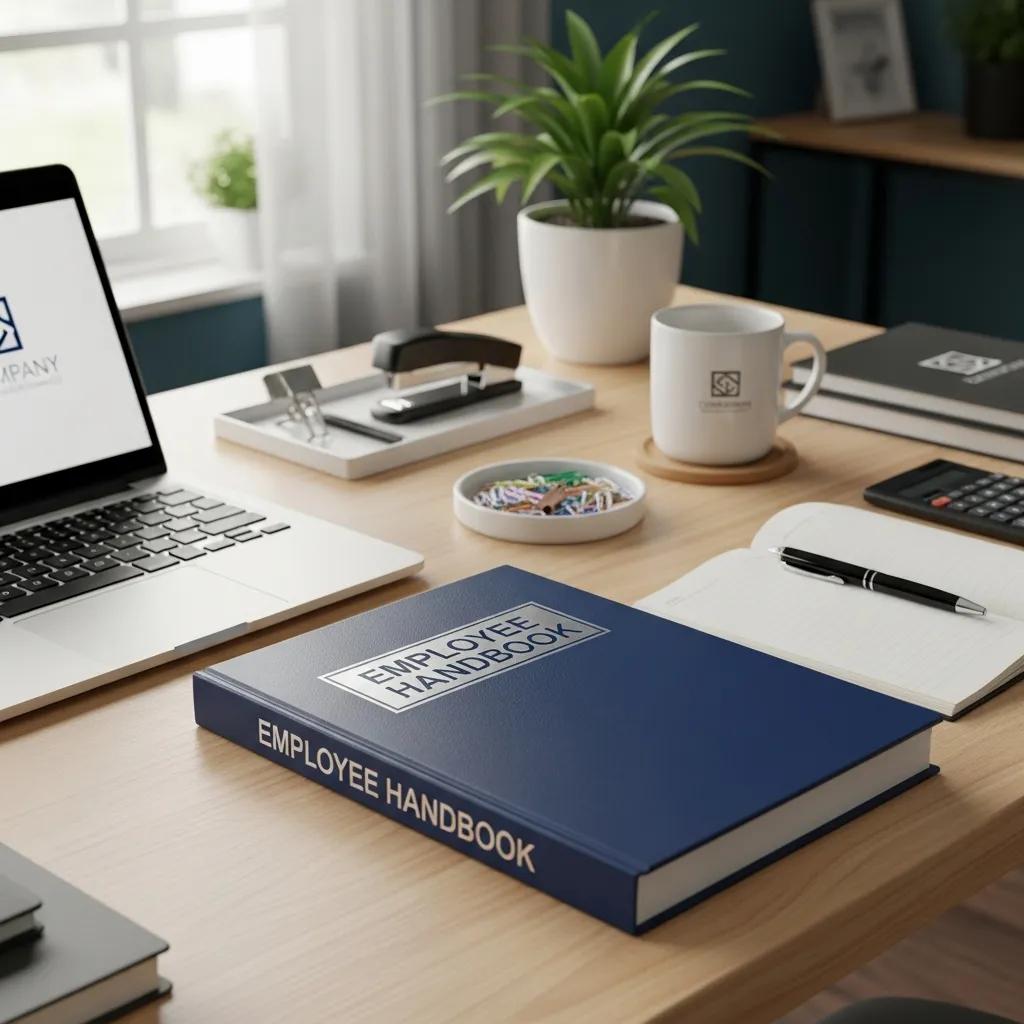
- Code of Conduct: Establishes expected behavior and ethical standards for employees.
- Attendance and Punctuality: Outlines expectations regarding work hours, attendance, and procedures for reporting absences.
- Harassment and Discrimination Policies: Clearly defines unacceptable behaviors and the procedures for reporting incidents.
- Leave Policies: Details the types of leave available, including sick leave, vacation, and family and medical leave.
How Do HR Handbook Templates Support Policy Development?
- Time Efficiency: Templates provide a structured format, saving time in the drafting process.
- Customization Options: Businesses can tailor templates to fit their specific needs and culture.
- Best Practices: Many templates incorporate industry best practices, helping to ensure compliance with legal requirements.
Integrating Policies in Staff Handbooks
to develop the semi‐structured interview schedule (Appendix 2). Key themes/sub themes Staff handbooks, integrating WLB policies into employment contracts, using notice boards,
A toolkit to support human resource practice, F Malik, 2010
How Can You Ensure HR Compliance Guidelines Are Met in Your Employee Handbook?
What Are the Legal Requirements for Employee Handbooks?
- Labor Laws: Adherence to federal and state labor laws, including wage and hour regulations.
- Anti-Discrimination Laws: Compliance with laws prohibiting discrimination based on race, color, religion, sex, national origin, age, disability, and other protected categories.
- Health and Safety Regulations: Inclusion of policies that ensure a safe working environment in accordance with OSHA standards.
How Often Should Employee Handbooks Be Updated for Compliance?
- Annual Reviews: Conducting a comprehensive review of the handbook at least once a year.
- Monitoring Legal Changes: Staying informed about changes in labor laws and regulations that may impact policies.
- Employee Feedback: Soliciting input from employees to identify areas for improvement and clarification.
What Are the Best Practices for Developing an Effective Employee Handbook?

How Does HR Policy Development Align with Organizational Culture?
- Values Reflection: Policies should reflect the company's core values and mission.
- Employee Involvement: Involving employees in the policy development process can enhance buy-in and acceptance.
- Clear Communication: Ensuring that policies are communicated clearly and consistently to all employees.
What Case Studies Demonstrate Successful Handbook Implementation?
- Company A: Developed a handbook that emphasizes inclusivity and diversity, resulting in improved employee satisfaction and retention.
- Company B: Regularly updates its handbook based on employee feedback, leading to increased engagement and clarity around policies.
- Company C: Utilizes a visually appealing handbook format, incorporating infographics and charts to enhance understanding of complex policies.
How Can Staffing Services Integrate with Employee Handbook Creation?
What Role Do HR Consulting Services Play in Handbook Development?
- Expertise in Compliance: Consultants ensure that handbooks meet legal requirements and industry standards.
- Tailored Solutions: They provide customized recommendations based on the organization's specific needs and culture.
- Training and Support: Consultants can assist in training managers and employees on handbook policies and procedures.
How Does Staffing Influence Workplace Policy Customization?
- Market Insights: Staffing agencies can share data on competitive benefits and policies that attract top talent.
- Flexibility: Organizations can adapt policies based on staffing needs and workforce dynamics.
- Diversity and Inclusion: Staffing services can help develop policies that promote diversity and inclusion within the workplace.
What Are Examples of Effective Workplace Policies to Include in Staff Handbooks?
Which Remote Work Policies Should Be Addressed for 2024-2026?
- Work Hours and Availability: Clearly define expectations for work hours and communication during remote work.
- Equipment and Technology: Outline responsibilities for providing and maintaining necessary equipment and technology.
- Performance Metrics: Establish criteria for evaluating performance in a remote work setting.
How Do Employee Communication Guidelines Enhance Handbook Effectiveness?
- Channels of Communication: Specify the preferred channels for sharing information and updates.
- Feedback Mechanisms: Encourage employees to provide feedback on policies and procedures.
- Regular Updates: Commit to regularly updating employees on changes to policies and procedures.
How Can You Use Structured Data and Visuals to Enhance Employee Handbook Content?
What Schema Markup Types Improve Handbook SEO and Visibility?
- FAQ Schema: Helps structure frequently asked questions related to policies.
- Article Schema: Enhances the presentation of handbook content in search results.
- Organization Schema: Provides information about the company and its policies.
How Do Infographics and Flowcharts Aid Understanding of Handbook Policies?
- Simplification: Breaking down complex information into easily digestible formats.
- Engagement: Capturing employee attention and interest through visually appealing content.
- Retention: Improving information retention by presenting data in a memorable way.