
SCHEDULE A CONSULTATION TODAY!  (404) 692-5355

Simply HR, Inc. logo featuring the text "SIMPLY HR" in blue, accompanied by "Catalyst For Culture Change" and a handshake graphic, emphasizing HR consulting and training services.

Call us

404-692-5355

Email

info@SimplyHRInc.com

Updated Header Button

Get in touch

Get in touch

Building Workplace Culture in 2026: Employee Engagement Strategies for SMBs

Simply HR Inc | Building Workplace Culture in 2026: Employee Engagement Strategies for SMBs

Building Workplace Culture in 2026: Effective Employee Engagement Strategies for SMBs to Boost Retention and Productivity

To build workplace culture in 2026 and boost employee engagement, retention, and productivity, SMBs should focus on effective training strategies. Modern employees expect continuous learning opportunities integrated into their daily work, rather than just initial training. Providing training that allows employees to learn new skills increases job satisfaction and engagement, reducing turnover. Implementing cross-training can enhance workforce versatility and engagement, even if resources for continuous training are limited. High-potential employees are drawn to companies that offer growth and learning opportunities, making robust training programs essential for attracting top talent. This article will explore key employee engagement techniques, the unique challenges faced by small businesses, the influence of leadership on workplace culture, technology tools that support engagement, and methods to measure and sustain workplace culture success.

What Are the Top Employee Engagement Techniques for SMBs in 2026?

Employee engagement is crucial for retaining talent and enhancing productivity. SMBs can implement several effective techniques to foster a more engaged workforce.

  1. Ongoing Training and Development: Providing continuous learning opportunities helps employees feel engaged and satisfied with their career direction.
  2. Recognition Programs: These programs enhance workplace motivation by acknowledging employee contributions, which keeps employees engaged and satisfied with their career direction.
  3. Cross-Training Initiatives: This allows employees to learn responsibilities of adjacent positions, creating a more versatile and engaged workforce.

After exploring these techniques, it is essential to understand how they can be effectively integrated into the workplace.

How Do Recognition Programs Enhance Workplace Motivation?

Simply HR Inc | Building Workplace Culture in 2026: Employee Engagement Strategies for SMBs

Recognition programs enhance workplace motivation by acknowledging employee achievements and contributions, which helps employees feel valued and engaged. Employees who feel recognized are more likely to be satisfied with their roles and less likely to leave. Additionally, such programs attract high-potential talent who seek opportunities for growth, thereby fostering a more dynamic and motivated workforce.

Which Practical Engagement Strategies Drive Employee Retention?

Practical engagement strategies that drive employee retention include:

  1. Ongoing Training and Development: Continuous learning opportunities help employees feel engaged and satisfied with their career direction.
  2. Cross-Training: This allows employees to learn responsibilities of adjacent positions, creating a more versatile and engaged workforce.
  3. Dynamic Job Experience: Modern employees expect training to be integrated into their day-to-day operations rather than a separate, obligatory activity.

These strategies contribute to a culture of ongoing training, which is essential for attracting and retaining high-potential employees.

Further research underscores the vital role of job retention in ensuring continuous business growth, especially for small and medium-sized enterprises.

SME Job Retention for Continuous Business Growth

This study examines SME CEOs’ experiences in order to explore their views on factors influencing job retention and the impact of job retention on continuous business growth.

The impact of job retention on continuous growth of engineering and informational technology SMEs in South Korea, C Park, 2019

What Are the Unique Culture Building Challenges Faced by Small Businesses?

Small businesses often face unique challenges when building workplace culture, including compliance and legal considerations, resource limitations, and employee turnover issues.

How Can SMBs Overcome Compliance and Legal Considerations?

SMBs can navigate compliance and legal considerations by staying informed about labor laws and regulations. Regular training sessions on compliance can help employees understand their rights and responsibilities, fostering a culture of transparency and trust. Additionally, consulting with HR professionals can provide valuable insights into best practices for maintaining compliance.

What Case Studies Demonstrate Successful SMB Culture Development?

Several SMBs have successfully built their workplace culture by prioritizing employee engagement and development. For instance, a local tech startup implemented a robust training program that included mentorship and skill development workshops, resulting in a significant increase in employee satisfaction and retention rates. Another example is a small retail business that introduced recognition programs, leading to improved morale and a more cohesive team environment.

How Does Leadership Influence Workplace Culture and Employee Engagement?

Leadership plays a critical role in shaping workplace culture and employee engagement by fostering a dynamic environment through effective training programs. When leaders prioritize ongoing learning and development, employees feel more engaged and satisfied with their roles. This engagement leads to higher retention rates, as employees who continuously learn new skills are less likely to become bored and leave the company.

What Leadership Practices Foster a Positive Hybrid Work Culture?

While specific leadership practices for hybrid work culture are not detailed, effective communication, flexibility, and support for employee well-being are essential. Leaders should encourage open dialogue and provide resources that facilitate collaboration, regardless of where employees are working.

How Can Leaders Motivate and Retain Employees Effectively?

Leaders can motivate and retain employees effectively by implementing strong training programs that foster continuous learning and development. This approach creates a dynamic work environment, keeps employees engaged, and enhances job satisfaction. Employees who learn new skills are generally happier and less likely to leave the company. Additionally, offering cross-training opportunities can make the workforce more versatile and engaged, further contributing to employee retention.

Which Technology Tools Support Employee Engagement and Culture in SMBs?
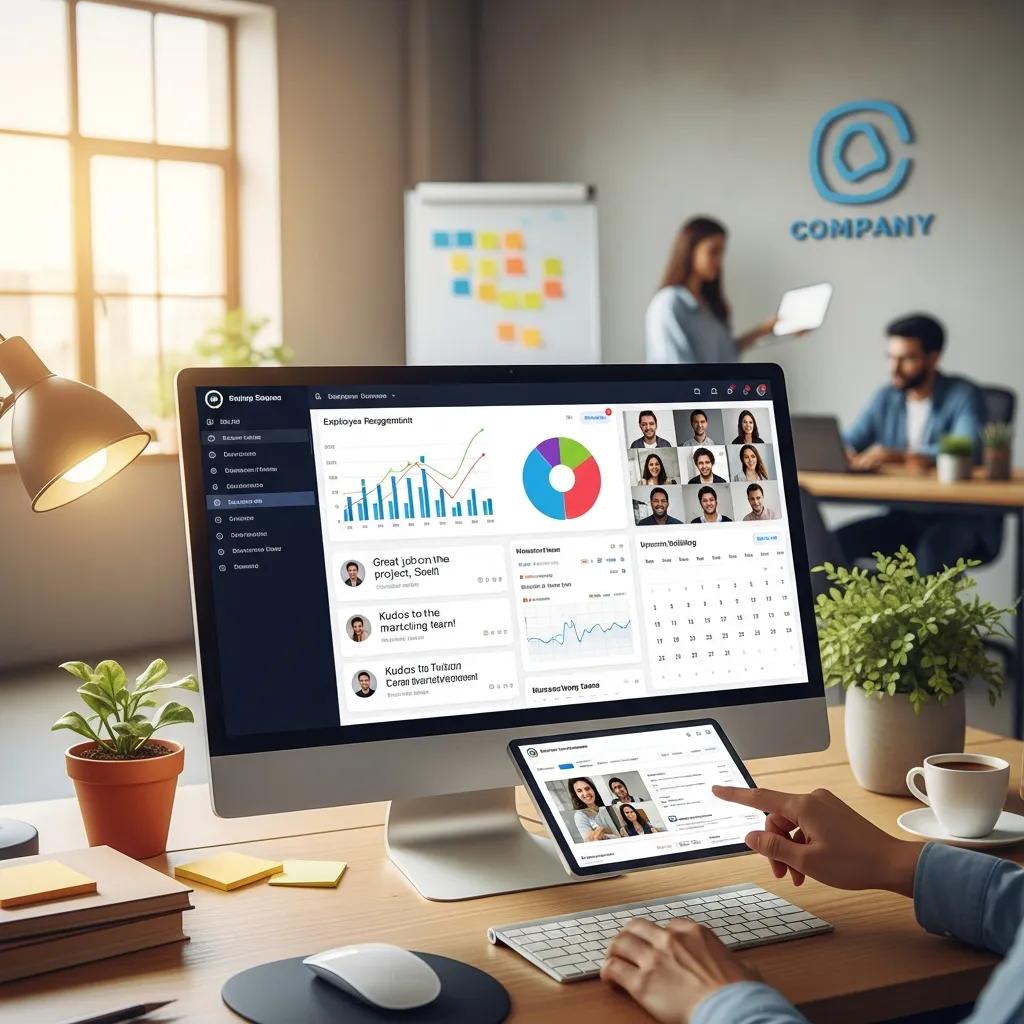
Simply HR Inc | Building Workplace Culture in 2026: Employee Engagement Strategies for SMBs

Technology plays a vital role in enhancing employee engagement and workplace culture. Various tools can help SMBs streamline their engagement strategies.

ToolFeatureApplication
Feedback PlatformsReal-time employee feedbackEnhances communication and engagement
Learning Management SystemsCentralized training resourcesFacilitates ongoing employee development
Recognition SoftwareAutomated recognition programsBoosts morale and motivation

These tools can significantly improve the overall workplace culture by fostering communication, recognition, and continuous learning.

What Are the Best HR Technologies for Enhancing Engagement?

While specific HR technologies for enhancing engagement are not detailed, many platforms offer features that support employee development and recognition. These technologies can help streamline processes and ensure that employees feel valued and engaged.

How Can SMBs Leverage Feedback Platforms to Improve Culture?

SMBs can leverage feedback platforms to improve culture by creating a dynamic environment that encourages ongoing training and skill development. By actively seeking and incorporating employee feedback on training programs, SMBs can ensure that these initiatives meet the needs and expectations of their workforce. This approach not only enhances employee engagement and satisfaction but also helps in retaining high-potential talent, as employees feel valued and invested in their growth.

How Can SMBs Measure and Sustain Workplace Culture Success?

SMBs can measure and sustain workplace culture success by implementing strong training programs that focus on continuous learning and development. This approach not only enhances employee engagement and satisfaction but also helps in attracting and retaining high-potential talent.

What Metrics Indicate Strong Employee Engagement and Retention?

Strong employee engagement and retention can be measured by the following metrics:

  1. Opportunities for Learning and Development: Employees who continuously learn new skills are more engaged and satisfied with their career direction.
  2. Employee Satisfaction: Higher satisfaction levels correlate with ongoing training and skill development.
  3. Employee Turnover Rates: Companies that fail to provide learning opportunities may experience increased turnover as employees become bored and feel the company has nothing to offer.

These metrics suggest that a culture of ongoing training is crucial for attracting and retaining high-potential employees.

How Do Continuous Improvement Practices Maintain Culture Over Time?

Continuous improvement practices maintain culture over time by fostering a dynamic environment where employees are encouraged to learn and develop new skills consistently. This ongoing training not only enhances employee engagement and satisfaction but also helps retain high-potential talent. When employees feel that they are continuously learning and growing, they are more likely to remain committed to the organization, thus reinforcing a positive workplace culture. Additionally, a culture of ongoing training attracts top talent, as modern employees seek opportunities for growth rather than stagnation.

Simply HR Inc
Privacy Overview

This website uses cookies so that we can provide you with the best user experience possible. Cookie information is stored in your browser and performs functions such as recognising you when you return to our website and helping our team to understand which sections of the website you find most interesting and useful.