
SCHEDULE A CONSULTATION TODAY!  (404) 692-5355

Simply HR Inc | Fostering Generational Legacy: How to Bridge the Communication Divide in a Multi-Generational Workplace

Call us

404-692-5355

Email

info@SimplyHRInc.com

Updated Header Button

Get in touch

Get in touch

Simply HR Inc | Fostering Generational Legacy: How to Bridge the Communication Divide in a Multi-Generational Workplace

By Tonia Morris, Simply HR Inc

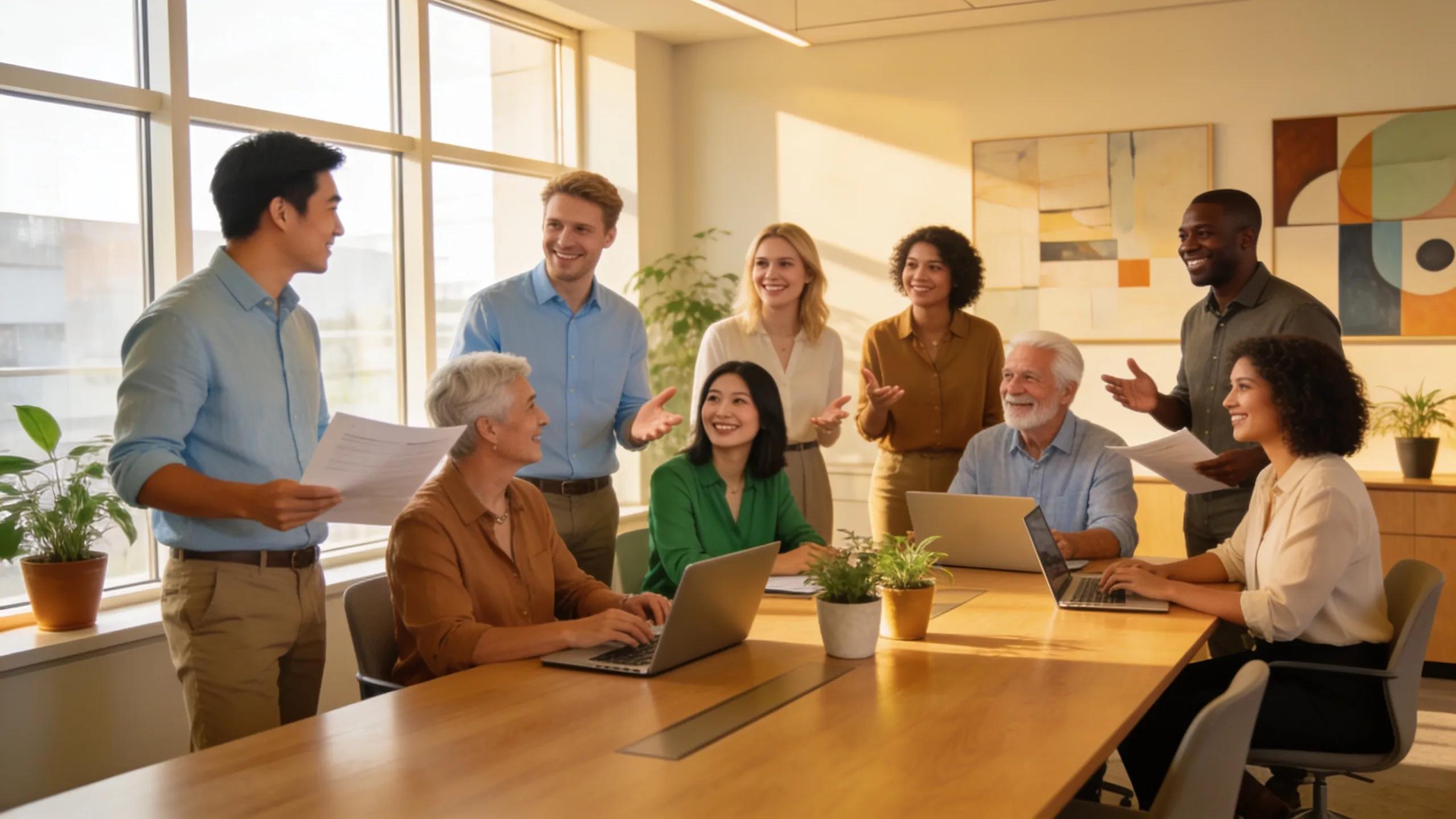
Effective communication is the cornerstone of any successful workplace, especially one that encompasses multiple generations. In an era where Baby Boomers, Generation X, Millennials, and Generation Z coexist in job roles, fostering a generational legacy through clear communication is more crucial than ever. This article explores how to bridge the gaps in understanding and connection between different age groups within the workplace. We will delve into effective strategies for intergenerational communication, examine existing challenges, and discuss how mentorship programs can play a significant role in promoting engagement and legacy building.

Understanding these dynamics not only enhances workplace culture but also encourages collaboration and productivity. We will review effective communication strategies, explore generational differences, identify barriers that hinder dialogue, and outline strategies that improve employee engagement. Finally, we’ll look at leadership approaches that can successfully navigate these generational divides and contribute to the building of a vibrant, inclusive work environment.

Effective intergenerational communication strategies in a multi-generational workplace include:

To create a cohesive working environment, it’s vital to implement strategies that address the different communication styles across generations. Effective intergenerational communication can be achieved through the following approaches:

  1. Diverse communication channels: Utilizing a mix of communication platforms, such as emails, instant messaging, and in-person meetings, caters to the preferences of various age groups.
  2. Open-door policy: Encouraging an atmosphere where employees feel comfortable sharing ideas and concerns can reduce generational barriers and foster collaboration.
  3. Training on communication styles: Providing workshops that educate employees on the nuances of intergenerational communication can enhance understanding and reduce conflicts.

These strategies not only facilitate better dialogue but also pave the way for long-term relationships and a shared legacy within the organization.

It is crucial for organizations to implement robust communication strategies across all generations to enhance understanding, cooperation, and respect within the workforce.

Communication Strategies for Bridging the Generational Gap in the Workplace

fosters understanding, cooperation, and respect among multi generational employees, it is crucial for closing the generation gap in organisations.

Organisations may establish a The importance of communication strategies for effectively managing different generations at the workplace, N Rai, 2023

What Challenges Exist in a Multi-Generational Workplace?

A multi-generational workplace presents unique challenges that can hinder effective communication and collaboration. Understanding these challenges is essential for promoting a more harmonious work environment.

  1. Communication style conflicts: Different generations often have distinct preferences for communication, which can lead to misunderstandings or frustration.
  2. Workplace culture clashes: Varied work ethics and values among generations can create tension in team dynamics.
  3. Technology adoption gaps: Disparities in technology comfort levels can lead to inefficiencies in communication and workflow.

By recognizing and addressing these obstacles, organizations can take steps to foster inclusivity and improve generational interactions.

How Do Generational Communication Styles Differ and Impact Workplace Culture?

The impact of generational communication styles on workplace culture is profound. Each generation brings unique values and preferences that affect interactions.

  • Communication style preferences: Baby Boomers may prefer face-to-face meetings, while Millennials and Gen Z lean towards digital communication. This divergence can create friction if not managed appropriately.
  • Impact on team dynamics: Misunderstandings between generations can lead to decreased productivity, team cohesion, and overall morale.
  • Understanding generational values: Each generation holds distinct perspectives on work-life balance and job expectations, which influence their interactions and engagement.

Recognizing these differences is crucial for nurturing a collaborative and productive workplace culture that values contributions from all age groups.

What Are the Common Barriers to Cross-Generational Communication?

Identifying barriers that hinder effective communication across generational lines is essential for overcoming them.

  1. Age discrimination concerns: Stereotyping based on age can create a divisive atmosphere and prevent collaboration.
  2. Knowledge transfer barriers: Older generations may feel their expertise is not valued, while younger generations might struggle to articulate their ideas.
  3. Stereotyping issues: Assumptions about work ethic and adaptability can lead to miscommunication and conflict.

Addressing these barriers through awareness and strategic initiatives can foster a more inclusive environment that benefits from the strength of diverse perspectives.

Which Intergenerational Communication Strategies Improve Employee Engagement and Legacy Building?
Simply HR Inc | Fostering Generational Legacy: How to Bridge the Communication Divide in a Multi-Generational Workplace

Implementing intergenerational communication strategies can significantly enhance employee engagement and foster a strong generational legacy. This can be achieved by embracing diverse communication channels, as an array of communication methods ensures all employees feel included and heard. Furthermore, mentorship programs, formal initiatives pairing younger and older employees, can facilitate knowledge sharing and build supportive relationships. Finally, celebrating diversity by recognizing and valuing different perspectives strengthens team bonds and promotes a healthy workplace culture.

By incorporating these strategies, organizations can boost engagement levels and promote a legacy of collaboration and understanding across generations.

Exploring intergenerational collaboration strategies is vital for understanding how to overcome challenges and optimize communication in multi-generational workforces.

Intergenerational Collaboration Strategies in Multigenerational Workforces

, including the communication, management, and collaboration strategies that can facilitate Understanding intergenerational collaboration: Exploring challenges and collaboration strategies in the multigenerational workforce, 2024

How Can Mentorship Programs Foster Generational Legacy and Workforce Retention?

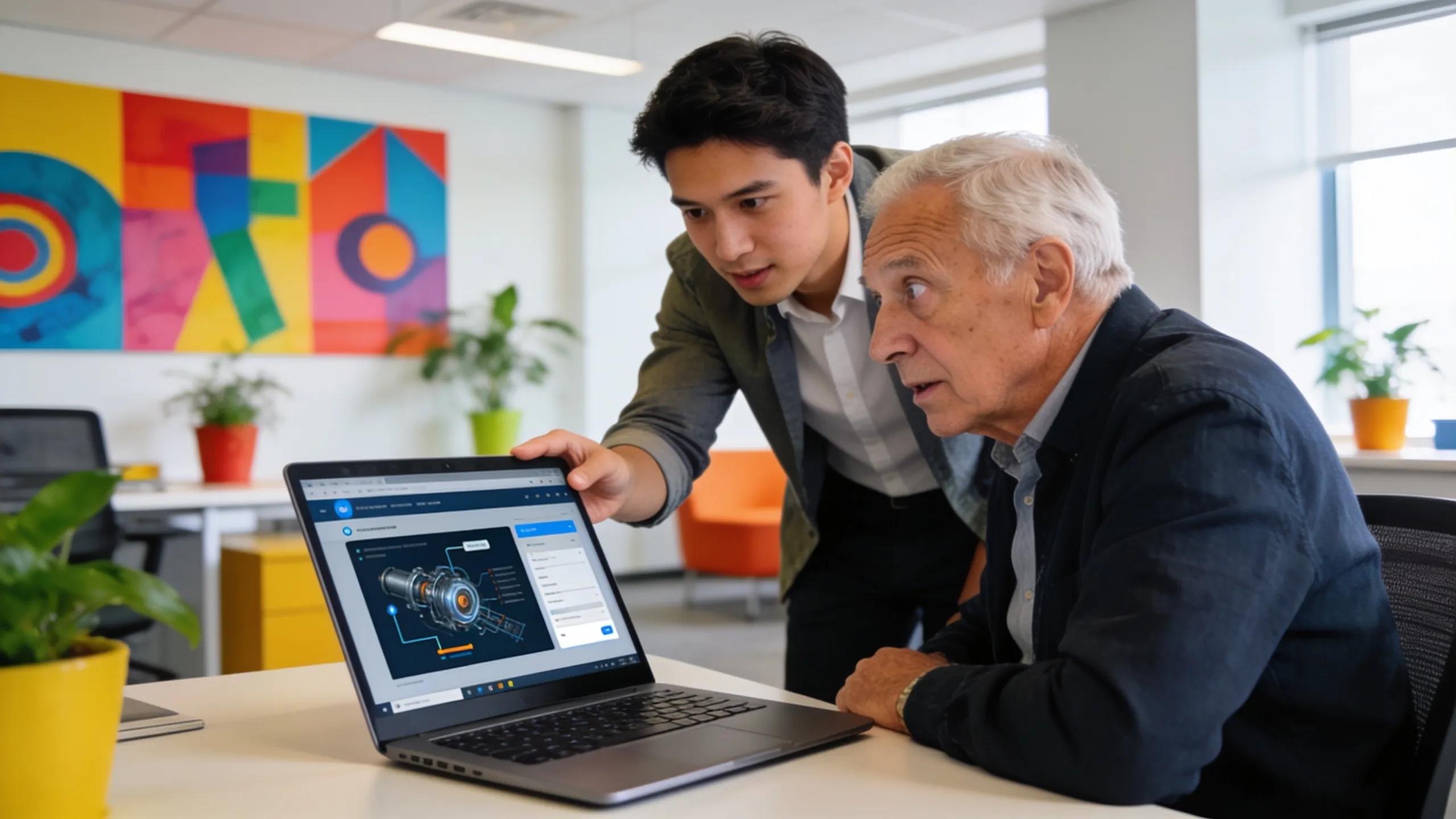
Mentorship programs serve as a vital tool in fostering a generational legacy and ensuring workforce retention. Through structured initiatives, the reverse mentoring importance allows younger employees to mentor older staff on new technologies, bridging knowledge gaps and fostering mutual respect. Similarly, experienced employees can impart valuable industry knowledge and insights, enhancing the skill sets of younger generations through effective knowledge sharing. Organized structured initiatives for mentorship programs help create clear guidelines for interactions, ensuring both parties benefit from the relationship.

The positive impact of mentorship extends beyond individual development to creating a legacy of learning and growth within the organization.

What Role Do Communication Technologies Play in Bridging Generational Divides?

Communication technologies are essential in navigating the complexities of a multi-generational workplace. Their role is defined by the following aspects: leveraging collaboration tools like video conferencing software and project management apps to streamline communication, regardless of generational preferences. Offering training sessions on new technologies can empower all employees, promoting a culture of continuous learning. Providing flexible communication channels allows employees to choose the method that best suits their style, enhancing engagement.

By leveraging communication technologies effectively, organizations can bridge generational divides and foster improved relationships within the workforce.

How Do Leadership Approaches Bridge Generational Gaps and Influence Workplace Culture Across Generations?
Simply HR Inc | Fostering Generational Legacy: How to Bridge the Communication Divide in a Multi-Generational Workplace

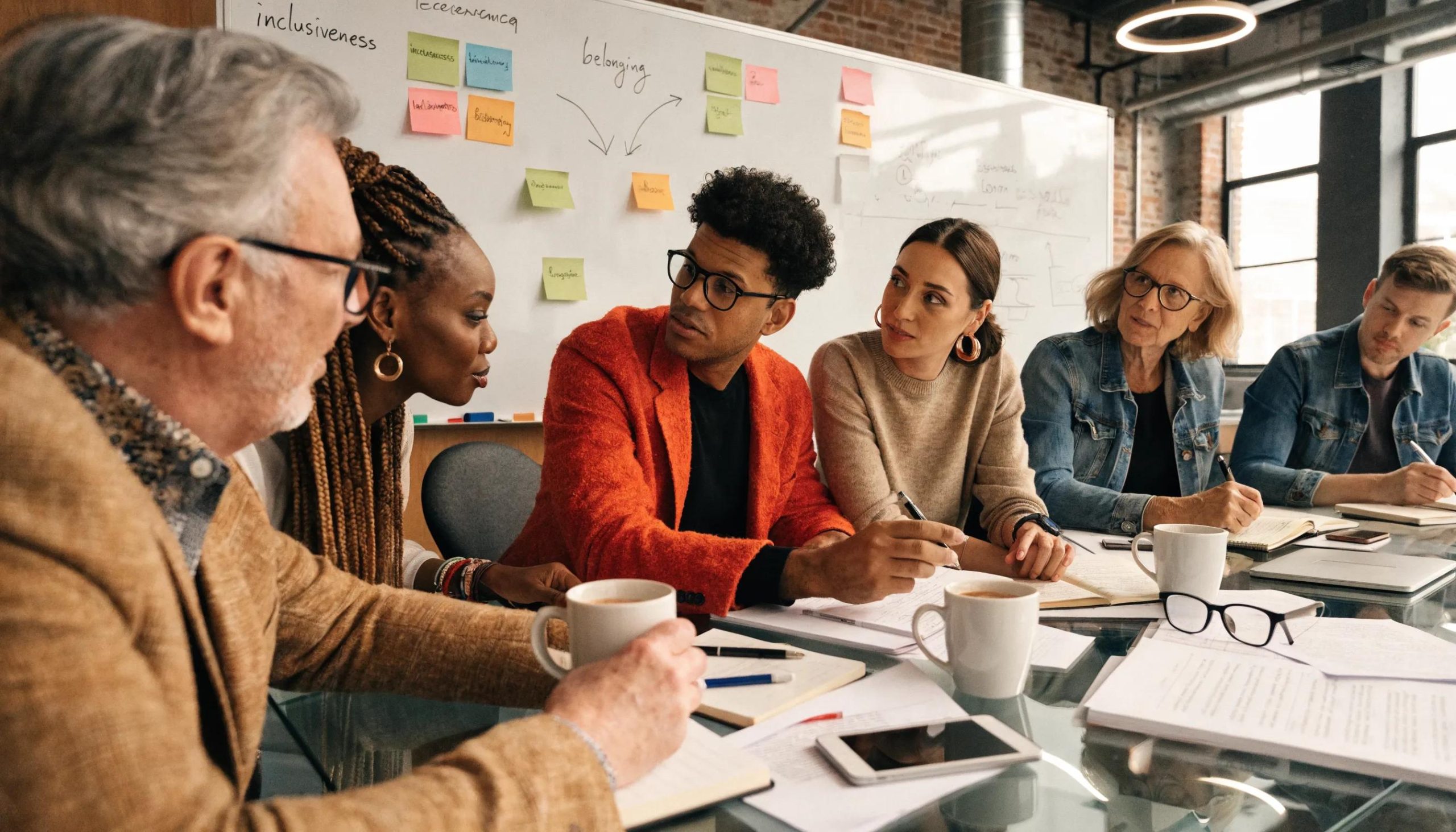
Understanding how leadership approaches can bridge generational gaps is critical for cultivating an inclusive workplace culture. This involves implementing tailored communication strategies, where leaders adapt their styles to meet the needs of different generations, fostering trust and respect. Equally important is providing inclusive leadership training, equipping leaders with the tools necessary to manage a diverse workforce effectively. Establishing an open communication culture, where feedback is encouraged across all levels, further promotes mutual respect and enhances team dynamics.

Leaders play a pivotal role in shaping an environment that respects differences and encourages collaboration among all generations.

Which Leadership Styles Are Effective for Managing Generational Differences?

Effective leadership styles for managing generational differences focus on adaptability and inclusivity. Adaptive leadership allows leaders to pivot their approach based on individual team dynamics, enhancing employee satisfaction and performance. Inclusive leadership embraces diverse perspectives, fostering a culture where every employee feels valued, leading to enhanced team synergy. Continuous training and development in generational issues prepares leaders to address challenges proactively.

By adopting these leadership styles, organizations can create a balanced and dynamic work environment that respects and utilizes generational differences.

What Best Practices Support Developing an Inclusive Multi-Generational Workforce?

Creating an inclusive multi-generational workforce requires adherence to several best practices. This includes implementing effective communication strategies that accommodate all generations, utilizing leveraging technology that facilitates collaboration between different age groups, and actively building a culture of inclusion where all voices are heard and valued, enhancing collaboration and performance.

Implementing these practices ensures that the workplace benefits from the strengths of its diverse workforce.

What Are Real-World Examples of Successful Generational Legacy in the Workplace?

Exploring real-world examples highlights successful generational legacies within various organizations. This includes companies with structured intergenerational mentoring initiatives that report heightened employee engagement and retention rates, as well as firms that actively promote diversity and inclusion, seeing enhanced collaboration and productivity. Success stories reveal that collaboration between generations leads to innovation and enhanced problem-solving capabilities.

These examples serve as a testament to the positive impact of fostering a strong generational legacy within the workplace.

How Have Intergenerational Mentoring Initiatives Increased Employee Engagement?

Intergenerational mentoring initiatives have demonstrated a significant ability to enhance employee engagement by facilitating knowledge sharing, where employees benefit from the insights and experiences of their peers across generations, fostering a collaborative environment. This also leads to collaboration growth, as collective problem-solving stemming from diverse perspectives leads to innovative solutions. Furthermore, relevant engagement statistics show that organizations implementing mentorship programs often report increased job satisfaction and retention rates.

By prioritizing intergenerational mentoring, companies can cultivate a strong, engaged workforce.

Which Organizations Lead by Example in Fostering Multi-Generational Communication?

Organizations that exemplify excellence in fostering multi-generational communication often implement innovative strategies that set them apart. These successful practices involve utilizing diverse communication approaches, ensuring that all generations feel included. They also adopt innovative communication methods, continually adapting to technological advancements to meet the needs of their workforce. Finally, organizations with structured mentorship successes see significant improvements in employee satisfaction and retention.

These examples illustrate how effectively managing generational diversity can lead to a thriving work environment and foster a legacy of cooperation.

Simply HR Inc
Privacy Overview

This website uses cookies so that we can provide you with the best user experience possible. Cookie information is stored in your browser and performs functions such as recognising you when you return to our website and helping our team to understand which sections of the website you find most interesting and useful.