

Proven Strategies for Leading a Multi-Generational Workforce
Communication Techniques
- Utilizing Multiple Channels: Different generations prefer different means of communication, such as email, instant messaging, or face-to-face meetings. By offering multiple communication channels, organizations can cater to the preferences of all employees, enhancing engagement and cooperation.
- Training on Communication Styles: Providing training that focuses on understanding and appreciating different communication styles among generations can reduce misunderstandings and foster better collaboration. For example, older generations may prefer formal communication, while younger employees may favor more casual interactions.
- Fostering an Open-Door Policy: Encouraging an open-door policy helps to create a transparent communication environment, allowing employees to voice their concerns and suggestions without hesitation. This engagement not only mitigates misunderstandings but also builds trust within the organization.
Leadership Approaches
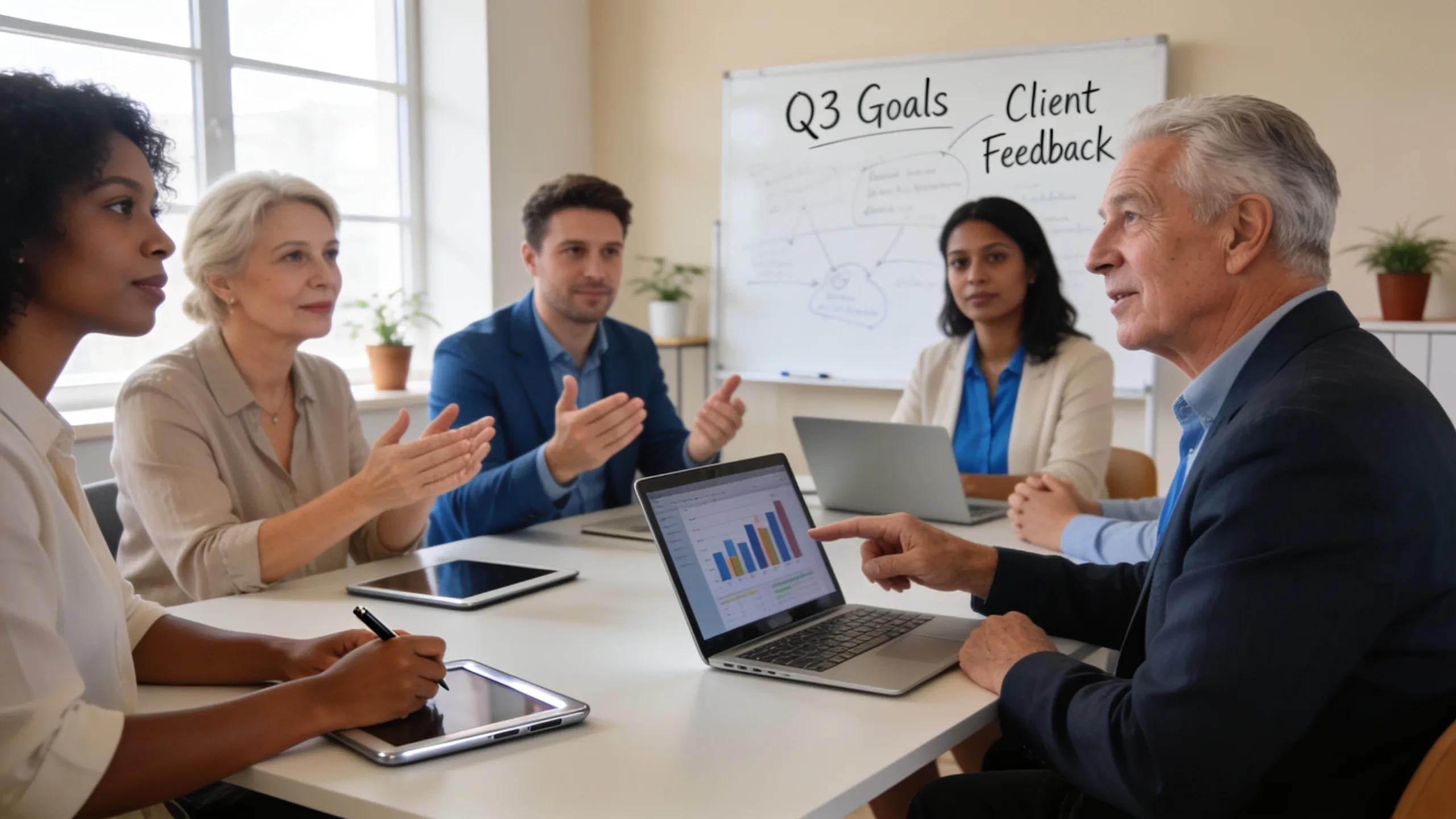
- Flexible Leadership Styles: Leaders should cultivate flexible styles that can adapt to different generational preferences. This means recognizing that Baby Boomers may appreciate hierarchy while Millennials and Generation Z might thrive under more collaborative and egalitarian environments.
- Implementing Mentorship Programs: Establishing mentorship programs that pair younger employees with more experienced staff members can help bridge generational gaps. These programs not only facilitate knowledge transfer but also strengthen relationships across age groups.
- Enhancing Inclusivity: Inclusive leadership practices that consider the diverse backgrounds and experiences of team members can significantly enhance morale and productivity. Leaders are encouraged to actively seek input from all generations to ensure that everyone's voice is heard and valued.
Effective Leadership Strategies for Multi-Generational Teams
In today’s rapidly evolving workplace, the coexistence of multiple generations—specifically Generation Z, Millennials, and Generation X—presents significant challenges for organizational leadership. This study aims to explore effective leadership strategies that bridge the values and expectations of these distinct generational cohorts, thereby enhancing collaboration and team cohesion. The research encompasses the identification of key leadership styles, the role of emotional intelligence, and the impact of mentoring practices on intergenerational dynamics.Leading Multi-Generational Teams: Bridging Gen Z, Millennial, and
Gen X Values, EF Harahap, 2025
Employee Engagement Practices
- Flexible Work Arrangements: Younger generations often prioritize work-life balance and may seek flexible work arrangements. By offering options such as remote work and flexible hours, organizations can attract and retain top talent across all age groups.
- Inclusive Recognition Programs: Employee recognition programs should account for the preferences of different generations, ensuring that all members feel valued. For instance, older employees may appreciate public recognition, while younger staff might prefer private commendations or bonuses.
- Opportunities for Continuous Learning: Providing opportunities for ongoing education and professional development is beneficial for all generations. Tailoring these opportunities to accommodate different learning styles can create a more engaged and informed workforce.
What Are the Characteristics of Different Generations in the Workplace?
- Baby Boomers: Typically value loyalty and job security, seeking stability in their careers. They tend to have a strong work ethic and prefer direct communication.
- Generation X: Known for their independence and adaptability, Gen X employees are comfortable with technology and appreciate a work-life balance. They seek opportunities for professional growth.
- Millennials: This generation is driven by meaningful work and a sense of purpose. They value feedback and collaboration and are inclined to embrace technology in their work.
- Generation Z: The newest entrants in the workforce prioritize diversity and social responsibility. They value flexibility and digital communication, often expecting technology to play a significant role in their work life.
Strategies for Managing a Multi-Generational Workforce
- Promoting Open Communication: Encouraging dialogue among generations can help to alleviate conflicts and minimize misunderstandings. Regular team discussions can enhance transparency and collaboration.
- Tailored Management Approaches: A one-size-fits-all management strategy is inadequate for diverse teams. Tailoring management styles to fit the specific needs and expectations of different generations can significantly improve workforce satisfaction.
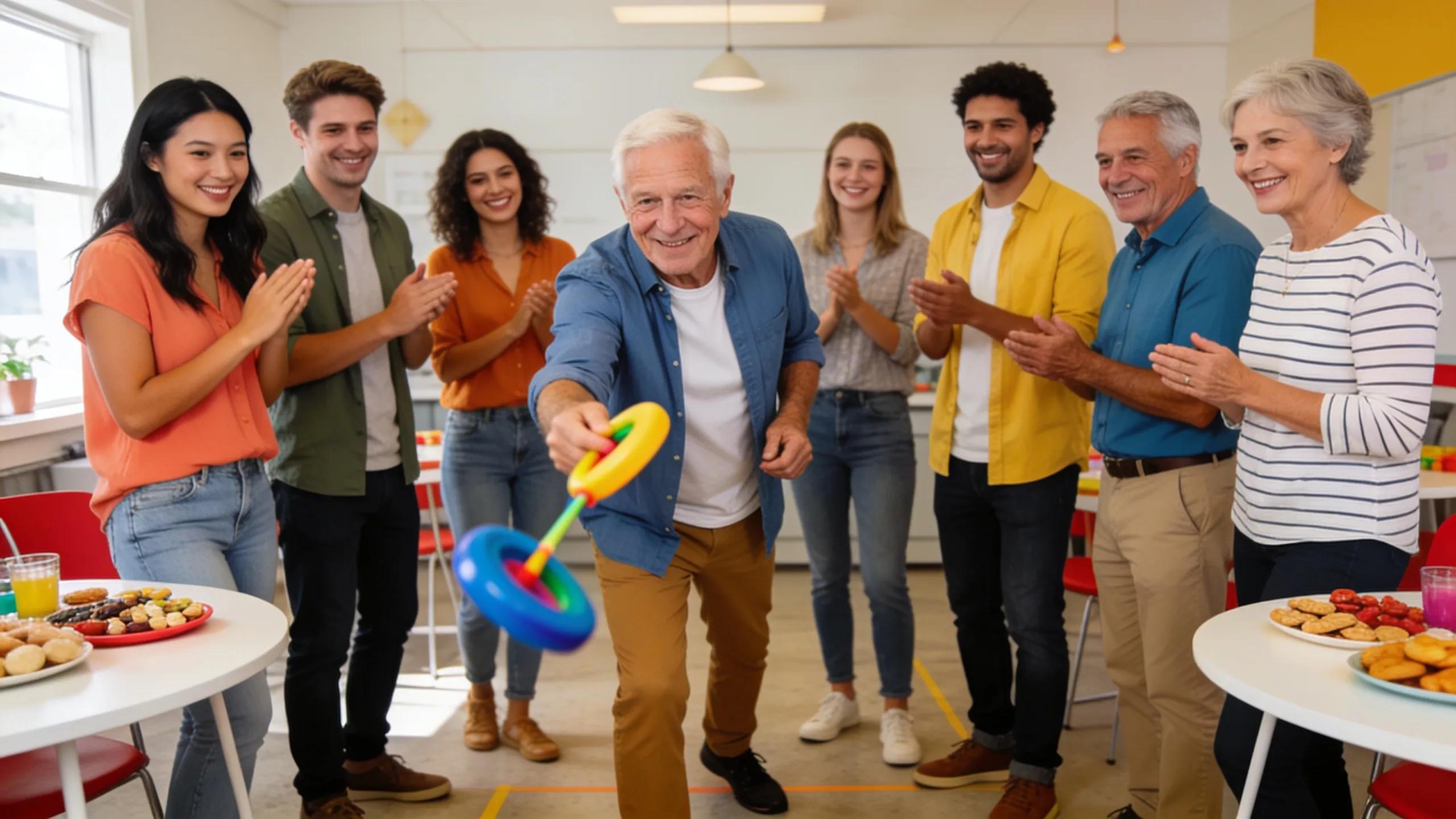
- Building Team Cohesion: Fostering an inclusive environment that supports team-building activities can nurture relationships across generational lines, ensuring collaboration and shared success.
Fostering Intergenerational Collaboration in Diverse Workplaces
As four generations increasingly share the workplace, companies face both opportunities and challenges arising from such rich age diversity. While tension may surface due to differing work styles or values, research shows that with intentional collaboration, the strengths of each generation can lead to greater innovation, creativity, and productivity. Through integrated analysis of survey data, case studies and 105 in-depth interviews with employees ranging from Boomers to Generation Z, this paper investigates proven strategies for fostering intergenerational collaboration. Key differences emerged regarding preferred communication methods, work-life balance expectations, and attitudes toward hierarchy and technological disruption.
Bridging the generational divide: Fostering intergenerational collaboration and innovation in the modern workplace, AS George, 2024
How Do Work Values Differ Across Generations?
- Baby Boomers prioritize loyalty and stability, valuing long tenures in their jobs. They often seek security in their career paths and are motivated by traditional metrics of success.
- Millennials, on the other hand, value meaningful work and seek opportunities for personal and professional growth. They are more likely to change employers frequently if they feel their values don’t align with those of the organization.
- Generation Z tends to prioritize fairness and inclusivity, placing high importance on work that contributes to societal change. They expect employers to demonstrate social responsibility and ethical practices.
How Can Leaders Adapt Their Leadership Styles for Multi-Generational Teams?
- Utilizing Diverse Communication Methods: Leaders should employ a variety of communication styles tailored to the preferences of different generations, ensuring that all employees feel heard.
- Training on Generational Insights: Leadership training that includes a focus on understanding generational differences can enhance leaders' capabilities to manage diverse teams effectively.
- Encouraging Feedback Loops: Establishing regular channels for feedback can help leaders adapt their strategies based on employee responses, ensuring that all voices are included in decision-making processes.
What Leadership Techniques Promote Cross-Generational Collaboration?
- Personalized Management Strategies: Tailoring management approaches to meet the unique needs of different generations can foster better working relationships and cooperation among team members.
- Setting Clear Expectations: Clarity in roles, responsibilities, and expectations promotes alignment and reduces friction among team members from various age groups.
- Active Listening: Encouraging leaders to practice active listening can help break down barriers, ensuring that all employees feel valued and included in discussions.
Which Leadership Styles Are Most Effective for Managing Generational Diversity?
- Adaptive Leadership: Leaders who adapt their approach based on the team's needs are often more successful in promoting inclusivity and collaboration.
- Inclusive Approaches: Leadership that prioritizes diversity and welcomes input from all generations fosters a culture of respect and teamwork.
- Mentorship and Coaching: Implementing mentorship programs between younger and older employees can create valuable opportunities for relationship building and skill sharing.
What Communication Methods Improve Cross-Generational Teamwork?
- Direct Communication: Utilizing direct communication methods tends to resonate well across all age groups, ensuring clarity and reducing misunderstandings.
- Varied Communication Channels: Providing options such as video calls, emails, and in-person meetings can improve engagement among team members with different preferences.
- Documented Processes: Clear, documented processes help ensure that everyone is on the same page regarding tasks and expectations, which is crucial in diverse teams.
How to Use Formal and Informal Communication Across Age Groups?
- Adapting Methods to Generational Preferences: Understanding and respecting each generation's preferred communication style can enhance effectiveness in both formal and informal interactions.
- Training on Communication Styles: Equipping employees with the skills to adapt their communication approaches to fit various contexts will foster greater understanding and collaboration.
- Promoting Open-Door Policies: Encouraging informal communication through open-door policies increases employee comfort levels in sharing ideas and feedback, benefiting team cohesion.
What Role Do Digital Tools Play in Multi-Generational Communication?
- Enhanced Connectivity: Digital tools facilitate communication and collaboration regardless of geographical barriers, making it easier for diverse teams to work together.
- Necessary Training for Effective Use: Providing training on how to effectively use digital communication tools ensures that all employees, regardless of age, can leverage technology for their tasks.
- A Hybrid Strategy: Implementing a hybrid strategy that combines traditional communication methods with digital tools can help address the preferences of all generations in the workplace.
Which Training and Development Programs Address Multi-Generational Workforce Needs?
- Tiered Mentorship Programs: Creating mentorship opportunities where experienced employees can guide younger ones fosters professional development and strengthens intergenerational relationships.
- Tailored Training Approaches: Customizing training programs to accommodate different learning styles and preferences can lead to improved engagement across age groups.
- Inclusive Workshops: Workshops that cater to the diverse learning needs of employees promote understanding and collaboration among all generations.
How to Design Training Programs for Diverse Age Cohorts?
- Encouraging Diverse Learning Styles: Recognizing that individuals learn differently allows for the development of training sessions that engage all employees, regardless of generation.
- Incorporating Mentorship: Developing mentorship-facilitated training can help transfer critical knowledge from seasoned professionals to younger employees.
- Acknowledging Varied Paces of Learning: Allowing flexibility in training programs can cater to the varied learning speeds found across generations, leading to better retention and application of skills.
What Are Examples of Successful Multi-Generational Training Initiatives?
- Cross-Generational Teams: Establishing teams that include members from each generation for training initiatives can foster understanding and collaboration.
- Innovative Solutions: Showcasing innovative solutions developed by cross-generational training programs can inspire similar efforts in other organizations.
- Best Practices for Implementation: Creating a repository of best practices based on successful initiatives aids organizations in implementing effective training programs.
How to Manage Conflict and Foster Collaboration in a Multi-Generational Workplace?
- Open Dialogue: Establishing a culture of open dialogue where conflicts can be addressed promptly reduces tensions and misunderstandings.
- Clear Workflow Establishment: Implementing well-defined workflows helps ensure that everyone understands their responsibilities and promotes smoother collaborations.
- Investing in Team-Building Exercises: Regular team-building activities can strengthen relationships and help employees from different generations bond and collaborate effectively.
What Common Challenges Arise from Generational Differences?
- Differing Communication Styles: Variations in communication methods can create tension and misunderstandings among team members.
- Cultural Clashes: Different values and expectations regarding workplace culture can lead to conflicts and dissatisfaction.
- Knowledge Transfer Barriers: Challenges in transferring knowledge and skills between generations can arise due to differing learning styles and communication preferences.
Which Strategies Build Cross-Generational Team Cohesion?
- Open Communication: Promoting open communication can help establish trust and rapport among team members from different generations.
- Collaboration Initiatives: Encouraging collaborative projects that require input from all generations promotes understanding and strengthens team unity.
- Shared Goals: Establishing common goals helps unite diverse teams and reinforces the commitment to working toward collective success.
What Are the Challenges and Solutions for Managing Remote and Hybrid Multi-Generational Teams?
- Tech Adaptation: Ensuring that all team members are comfortable with the technology used for remote collaboration is essential. Providing training can help bridge this gap.
- Inclusivity in Virtual Activities: Planning virtual team-building activities can enhance inclusivity and engagement across generations in remote settings.
- Regular Check-Ins: Facilitating regular check-ins can help maintain team cohesion, ensuring that all members stay connected and engaged despite geographical distances.
How Does Remote Work Affect Multi-Generational Engagement?
- Flexible Opportunities: Remote work offers flexibility, allowing employees to balance their personal and professional lives effectively, which is particularly appealing to younger generations.
- Communication Effectiveness: Utilizing digital communication tools enhances engagement and facilitates connections among team members from different generations.
- Work-Life Balance: Finding a balance between work and personal life in remote settings positively affects overall engagement and job satisfaction.
What Best Practices Support Remote Collaboration Across Generations?
- Inclusive Communication Tools: Ensuring that communication tools are accessible to all generations enhances engagement and collaboration.
- Essential Training on Technology: Providing detailed training sessions for digital tools ensures that every employee feels confident and capable of contributing.
- Establishing Clear Expectations: Clearly defined roles and expectations can align goals and streamline remote work efforts across diverse teams.