
SCHEDULE A CONSULTATION TODAY!  (404) 692-5355

Simply HR Inc | Implementing Effective Performance Management Systems

Call us

404-692-5355

Email

info@SimplyHRInc.com

Updated Header Button

Get in touch

Get in touch

Implementing Effective Performance Management Systems

Simply HR Inc | Implementing Effective Performance Management Systems

Implementing Effective Performance Management Systems: A Comprehensive Guide for SMBs

Effective performance management systems are crucial for small and medium-sized businesses (SMBs) aiming to enhance employee productivity and engagement. This comprehensive guide will explore the key components of these systems, including goal setting, performance appraisals, and continuous feedback mechanisms. By understanding how to implement these strategies, SMBs can create a culture of accountability and growth, ultimately leading to improved organizational performance. Many businesses struggle with aligning employee goals with broader business objectives, which can hinder overall success. This article will provide insights into effective performance management practices, including conducting employee reviews, integrating staffing services, and monitoring system effectiveness.

What Are the Key Components of Effective Performance Management Systems?

Effective performance management systems consist of several key components that work together to enhance employee performance and align individual goals with organizational objectives. These components include goal setting, performance appraisals, and continuous feedback mechanisms. By integrating these elements, businesses can create a structured approach to managing employee performance, ensuring that all team members are working towards common goals.

How Does Goal Setting Align with Business Objectives?

Goal setting aligns with business objectives by ensuring that employee training and development are continuous and integrated into daily operations. This approach helps attract and retain high-potential talent, as employees seek dynamic job experiences that foster learning and growth. By establishing clear goals for training, companies can create a culture that not only meets minimum job qualifications but also enhances employee engagement and satisfaction, ultimately contributing to the overall success of the business.

What Are the Best Performance Appraisal Methods for SMBs?

For SMBs, selecting the right performance appraisal methods is essential for fostering a productive work environment. Common methods include:

  1. 360-Degree Feedback: This method gathers feedback from various sources, including peers, supervisors, and subordinates, providing a comprehensive view of an employee's performance.
  2. Self-Assessment: Employees evaluate their performance, encouraging self-reflection and personal accountability.
  3. Management by Objectives (MBO): This approach involves setting specific, measurable goals collaboratively between managers and employees, ensuring alignment with organizational objectives.

Each method has its pros and cons, and SMBs should choose the one that best fits their organizational culture and goals.

How to Conduct Employee Performance Reviews That Drive Improvement?

Conducting effective employee performance reviews is vital for driving improvement and fostering a culture of continuous feedback. Structured reviews provide an opportunity for managers to discuss performance, set future goals, and identify areas for development.

What Are the Benefits of 360 Degree Feedback Systems?

360-degree feedback systems offer several benefits, including:

  1. Comprehensive Feedback: By collecting input from multiple sources, employees receive a well-rounded perspective on their performance.
  2. Employee Development: This method highlights strengths and areas for improvement, guiding professional development efforts.
  3. Engagement Improvement: Employees feel valued when their opinions are considered, leading to increased engagement and job satisfaction.

These benefits make 360-degree feedback a powerful tool for enhancing employee performance and fostering a culture of open communication.

How Can Continuous Performance Management Enhance Employee Engagement?

Continuous performance management enhances employee engagement by providing ongoing opportunities for learning and skill development. Employees who are constantly learning new skills tend to be more engaged and satisfied with their careers. This dynamic approach to training helps prevent boredom and increases retention, as employees feel that their company has much to offer them. Additionally, a culture of ongoing training attracts high-potential talent who seek growth opportunities, further contributing to a more engaged workforce.

Which HR Goal Setting Techniques Optimize Workforce Productivity?

Effective HR goal-setting techniques are essential for optimizing workforce productivity. By implementing structured goal-setting frameworks, SMBs can ensure that employee objectives align with organizational goals.

How to Implement SMART Goals in Small and Medium Businesses?
Simply HR Inc | Implementing Effective Performance Management Systems

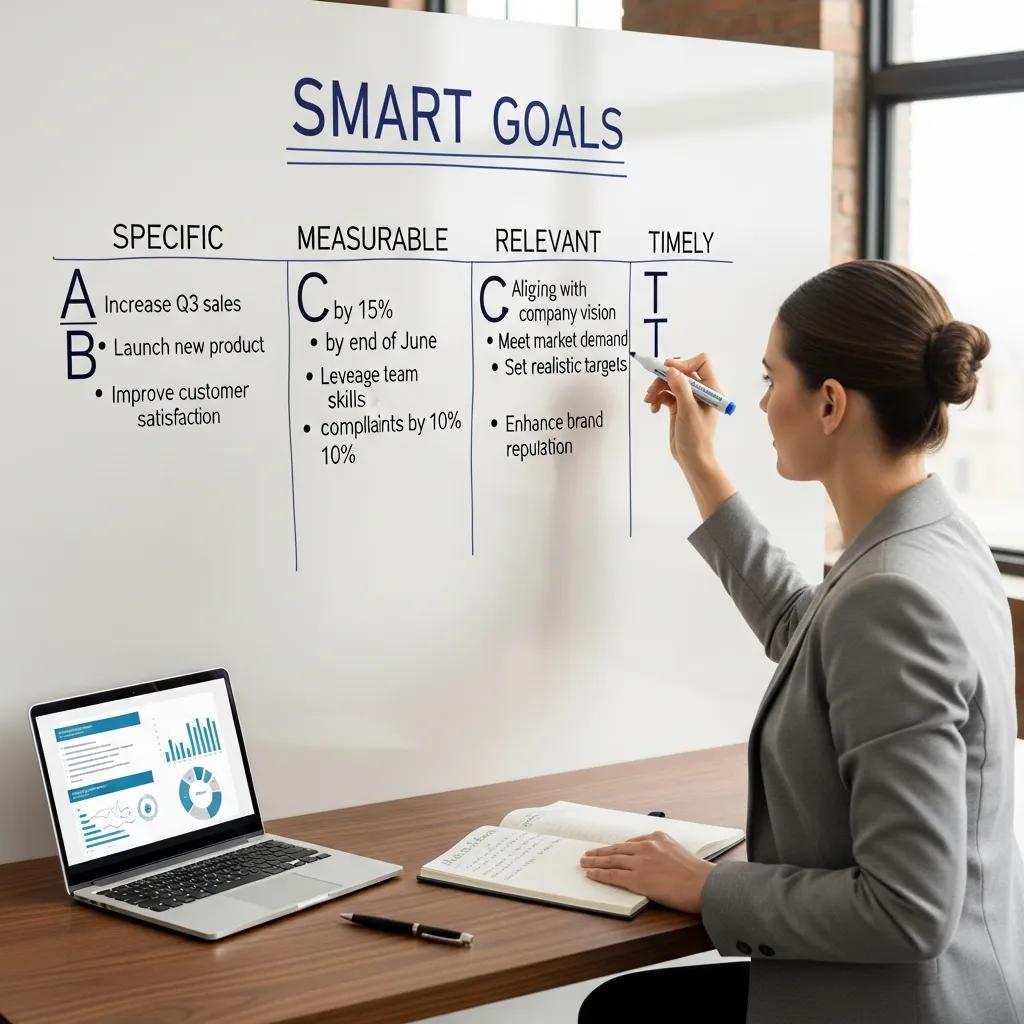
Implementing SMART goals—Specific, Measurable, Achievable, Relevant, and Time-bound—can significantly enhance goal clarity and focus. Here’s how SMBs can implement SMART goals:

  1. Specific: Clearly define the goal to avoid ambiguity.
  2. Measurable: Establish criteria for measuring progress and success.
  3. Achievable: Set realistic goals that challenge employees without being unattainable.
  4. Relevant: Ensure that goals align with broader business objectives.
  5. Time-bound: Set deadlines to create a sense of urgency and accountability.

By following this framework, SMBs can create a structured approach to goal setting that drives productivity and engagement.

Further emphasizing the importance of this framework, research highlights how the SMART model provides a clear and precise approach to goal setting, summarizing all available information and ensuring tasks are specific and achievable.

SMART Goals: A Modern Approach to Strategic Planning & Operative Goal Setting

In the modernmanagement, there are criteria for the correct setting of goals and tasks, such as: specificity, measurability, achievability and relevance of thegoal, as well as its time-bound. This technique for thegoalsetting is called the SMART-model. The article investigates the history of smart-goals definition and the use of SMART-technique is a modern approach to setting operative goals. The smart-goal setting system allows, at the stage of targeting, to summarize all available information, establish the acceptable work period, determine the sufficiency of resources, and provide all participants in the process with clear, precise and specific tasks.

Use of the smart goals as one of effective approach for the corporate strategic planning, K Oleksandra, 2019

What Role Does HR Consulting Play in Goal Setting?

HR consulting plays a crucial role in goal setting by providing expertise and guidance on best practices. Consultants can help SMBs develop tailored goal-setting frameworks that align with their unique organizational needs. Additionally, they can facilitate training sessions to ensure that managers and employees understand the importance of goal alignment and how to effectively set and achieve their objectives.

How Can SMBs Integrate Staffing Services with Performance Management?

SMBs can integrate staffing services with performance management by implementing comprehensive training programs that focus on continuous employee development. This approach not only helps in attracting high-potential employees but also enhances employee satisfaction and retention. By fostering a culture of ongoing learning and cross-training, SMBs can create a more engaged workforce, ensuring that employees are not only meeting minimum job qualifications but are also growing in their roles. This alignment between staffing and performance management can lead to a more versatile and productive team.

What Are the Advantages of Combining Staffing Solutions and Performance Improvement Plans?

Simply HR Inc | Implementing Effective Performance Management Systems

The advantages of combining staffing solutions and performance improvement plans include:

  1. Attracting Top Talent: Great training programs can make companies more appealing to high-potential employees who seek opportunities for learning and growth.
  2. Wider Talent Pool: By focusing on training rather than just experience, companies can hire candidates who may not meet traditional experience requirements but have high potential.
  3. Employee Engagement and Satisfaction: Continuous learning opportunities lead to higher employee engagement and job satisfaction, reducing turnover.
  4. Versatile Workforce: Cross-training employees can create a more adaptable and engaged workforce, enhancing overall performance.
  5. Alignment of Goals: Performance improvement plans can ensure that employee development aligns with organizational goals, fostering a culture of growth and accountability.

These combined strategies can lead to a more dynamic and successful workplace.

How Does SimplyHR Inc. Support SMBs in This Integration?

SimplyHR Inc. supports SMBs by providing customized training programs through their Multi-Generational Institute (MGI), which can be delivered both virtually and in-person. They focus on creating a culture of ongoing training that helps attract and retain high-potential employees, ensuring that talent continues to learn and develop throughout their time with the company. This approach allows SMBs to enhance employee engagement and satisfaction, ultimately contributing to a more versatile and committed workforce.

What Are the Best Practices for Monitoring and Improving Performance Management Systems?

Monitoring and improving performance management systems is essential for ensuring their effectiveness and relevance. Best practices include regular reviews, employee feedback, and data analysis to identify areas for improvement.

Which KPIs Measure Performance Management Success?

Key Performance Indicators (KPIs) are essential for measuring the success of performance management systems. Common KPIs include:

  1. Employee Turnover Rate: A high turnover rate may indicate issues with employee satisfaction or engagement.
  2. Goal Achievement Rate: This measures the percentage of goals met within a specified timeframe, reflecting the effectiveness of goal-setting practices.
  3. Employee Engagement Scores: Regular surveys can provide insights into employee satisfaction and engagement levels.

These KPIs help organizations assess the effectiveness of their performance management systems and identify areas for improvement.

The critical role of KPIs in performance management is further underscored by studies that highlight their importance in creating effective control systems, especially when integrated with functional automation for SMBs.

Business Performance Management for SMBs: Automation, KPIs & Balanced Scorecard

The article describes the problems of functional automation in the context of performance management, possibility of creating a control system using the balanced scorecard and key performance indicators based on enterprise resources planning systems. Discusses the causes of failures in the implementation of the performance management with the use of performance indicators. The author argues that the functional automation is the key to creating an effective management system. A description of some performance measures derived from automated functional subsystems. An example of implementing a management practices on the basis of performance indicators through the integration of software distribution solutions Volgasoft: Management by objectives and KPI (Key Performance Indicators) with 1C: CRM (Customer Relationship Management).

Business performance management in small and medium businesses and functional automation, AG Kravets, 2013

How to Use Client Feedback and Case Studies for Continuous Improvement?

Utilizing client feedback and case studies is crucial for continuous improvement in performance management systems. Organizations can gather feedback through surveys, interviews, and focus groups to understand employee experiences and perceptions. Additionally, analyzing case studies of successful performance management implementations can provide valuable insights and best practices. By incorporating this feedback into their systems, organizations can make informed adjustments that enhance overall effectiveness and employee satisfaction.

Simply HR Inc
Privacy Overview

This website uses cookies so that we can provide you with the best user experience possible. Cookie information is stored in your browser and performs functions such as recognising you when you return to our website and helping our team to understand which sections of the website you find most interesting and useful.